
Home Blog Page 22

BuildSpace Launches Rs 265-Crore, 42-Acre Sahakar Logistics Park in Bhiwandi under Exclusive EPC, Marketing and Leasing Mandate

BuildSpace, a Navi Mumbai-based industrial and logistics infrastructure development platform, has launched Sahakar Logistics Park, a Grade-A+ warehousing project spread across 42 acres in Bhiwandi, Mumbai Metropolitan Region (MMR), under its exclusive mandate covering development management, (EPC, marketing and leasing). The project will offer 1.3 million sq. ft. of leasable area and entails an investment of Rs 265 crore. It has already achieved financial closure, with Sahakar Global Limited infusing Rs 100 crore of equity and lenders keen to back the development.


The mandate has been awarded by Sahakar Group, a diversified business group with interests in toll collection, sand mining and real estate. The group is promoted by Mr. Kishore Agrawal, with Mr. Pranay Agrawal serving as Director. Sahakar Logistics Park is BuildSpace’s flagship EPC mandate, executed under its BuildVALUE vertical, and forms part of the company’s development pipeline of more than 3 million sq. ft.


Under the mandate, BuildSpace will lead the project end to end, from conceptualisation, design and master planning through statutory approvals, engineering and construction. Its scope also extends to the marketing, leasing and operations of the park.


The master plan comprises five Grade-A+ buildings, with space configurations ranging from approximately 30,000 sq. ft. to 700,000 sq. ft. to accommodate build-to-suit (BTS) requirements. Planned facilities include wide internal roads, optimised traffic circulation, dedicated parking with EV charging stations, drivers’ restrooms, centralised power and water supply, landscaped garden areas, a visitor and gate management system, and a modern park management office. The park is designed to serve third-party logistics (3PL), e-commerce and quick-commerce occupiers, with flexible configurations suited to their warehousing and operational needs.

 

Mr. Rohan Latad, Managing Director and CEO, BuildSpace


Commenting on the mandate, Mr. Rohan Latad, Managing Director and CEO, BuildSpace, said, “As occupiers seek well-located facilities with higher specifications for greater operational efficiency, demand for Grade-A+ warehousing continues to rise. At the micro-market level, Bhiwandi has emerged as a key hub, accounting for 85% of MMR’s demand in Q2 CY26. We are building Sahakar Logistics Park with these demand dynamics in mind. The facility’s location, building specifications and build-to-suit capacity will enable a wide range of occupiers to take space according to their requirements. For us, this is an important step in building scale in the MMR as we expand our industrial and logistics development platform across established and emerging markets.”


Speaking on the contract awarded to BuildSpace, Mr. Pranay Agrawal, Director, Sahakar Group, said, “We are pleased to entrust BuildSpace with this mandate and are confident in its ability to deliver Sahakar Logistics Park through an end-to-end, integrated approach. Given Bhiwandi’s established logistics ecosystem and connectivity to key freight corridors, we see strong potential in developing this site into a Grade-A+ logistics asset that supports India’s growing supply chain needs.”


Bhiwandi’s strategic location offers several logistical advantages, including direct highway frontage and heavy-vehicle access to the Samruddhi Mahamarg and the Pune, Nashik and Agra corridors, facilitating freight movement across regional and national markets. The site also offers access to key maritime and air-cargo infrastructure, with Jawaharlal Nehru Port Authority (JNPA) approximately 85 km away, and Chhatrapati Shivaji Maharaj International Airport and Navi Mumbai International Airport connecting it to the region’s air-cargo network.


The project comes amid sustained demand for Grade-A+ warehousing in the MMR. According to industry reports, the region recorded 6.6 million sq. ft. of Grade A/A+ demand against 3.5 million sq. ft. of supply in H1 CY26.


Construction at Sahakar Logistics Park is progressing well, with pre-engineered building (PEB) erection underway for the first building and the second building at the plinth stage. In line with its sustainability objectives, BuildSpace is targeting an Indian Green Building Council (IGBC) Platinum rating for the park, incorporating features such as solar-ready roofing, water reuse and on-site sewage treatment. The project is expected to begin accommodating occupiers in December 2026, with operations scheduled to commence in March 2027.


About BuildSpace

Founded in 2025 and headquartered in Navi Mumbai, BuildSpace is an industrial and logistics infrastructure development platform that connects land, development and capital through three verticals: BuildINFRA, BuildVALUE and BuildWEALTH. The platform has approximately 1.3 million sq. ft. under construction, more than 3 million sq. ft. in its development pipeline and over 165 acres under mandate. BuildSpace is targeting established and emerging industrial corridors across Maharashtra, with an initial focus on Chhatrapati Sambhajinagar, Nashik and Pune and is also evaluating opportunities in select growth markets, including Dholera and Guwahati.


1.5 Ton Split ACs for Diwali 2026: Which Models Offer Better Cooling and Savings

Diwali 2026 offers Indian households an opportunity to upgrade to a more energy-efficient 1.5-ton split AC before summer demand picks up. With the festival falling on 8 November, buyers can explore models with 3 Star and 5 Star ratings, inverter compressors, and convertible cooling technology. For rooms measuring 120–180 sq. ft., options include Godrej’s 5-in-1 Convertible Inverter AC for flexible cooling, LG’s 5 Star Dual Inverter AC for quieter operation, and Daikin’s ATKM50XV16MKA with Coanda airflow for better air distribution. Households using ACs for longer hours can prioritise 5 Star models, while those seeking a lower upfront cost can consider 3 Star alternatives.


Celebrate Diwali with a New Air Conditioner


After identifying the right cooling capacity and energy rating, buyers can compare 1.5 ton split ACs on Bajaj Mall before visiting a Bajaj Finance partner store. The Bajaj Finance Easy EMI Loan provides financing of up to Rs. 5,00,000, while the Bajaj Finance Insta EMI Card offers a pre-approved limit of up to Rs. 3,00,000. Both options offer tenures of 3 to 60 months, with zero down payment available on select models. Buyers must be physically present at a participating partner store to complete the purchase.


Which 5 split ACs are worth considering during Diwali sales 2026?

These five 1.5-ton inverter split ACs suit different budgets and cooling needs. Buyers can choose a 3 Star model for regular use or a 5 Star model to save more electricity when the AC runs for longer hours.


1. Godrej 2026 1.5 Ton 3 Star Split Inverter

Price: Rs. 31,490 | Capacity: 1.5 ton | Energy rating: 3 Star

Why it works: This Godrej AC is the lowest-priced model on the list. Its 5-in-1 convertible cooling lets users adjust the cooling level, while Heavy Duty Cooling helps during very hot weather. It is a good choice for rented homes, medium-sized bedrooms, and families that use the AC for a few hours daily.


2. Voltas 183INV Vertis Zenith Gold

Price: Rs. 33,489 | Capacity: 1.5 ton | Energy rating: 3 Star

Why it works: This Voltas AC is a practical choice for buyers who want reliable cooling and easy access to servicing. Voltas has a wide service network across India, including smaller cities. Its 3 Star rating makes it suitable for households looking for an affordable AC for everyday use.


3. Godrej 2026 1.5 Ton 5 Star Split Inverter

Price: Rs. 37,990 | Capacity: 1.5 ton | Energy rating: 5 Star

Why it works: This is the lowest-priced 5 Star AC on the list. It is a good option for families that run their AC for several hours every day. Its 5 Star rating means it can use less electricity than a similar 3 Star model, helping reduce power bills over time.


Buying tip: Households using an AC for more than four hours daily should compare the ISEER rating and yearly electricity consumption of 3 Star and 5 Star models to understand potential savings.


4. LG 1.5 Ton 5 Star Dual Inverter

Price: Rs. 42,990 | Capacity: 1.5 ton | Energy rating: 5 Star

Why it works: This LG AC is a good choice for bedrooms where quiet cooling matters. Its Dual Inverter compressor adjusts cooling based on the room’s needs, helping maintain a comfortable temperature. The 5 Star rating also helps save electricity, making it suitable for regular use.


5. Daikin ATKM50XV16MKA

Price: Rs. 46,990 | Capacity: 1.5 ton | Energy rating: 5 Star

Why it works: This Daikin AC is a good option for buyers who want even cooling across the room. Its Coanda airflow technology spreads cool air without blowing it directly at people. The 5 Star rating helps reduce electricity use, while buyers planning to keep the AC for several years can also compare its compressor warranty and service support.


Limited time offers on air conditioners

With EMIs starting as low as Rs. 830 per month, upgrading to an air conditioner has never been more affordable this season.


Terms and conditions apply. Check with your store for details.


How to buy a 1.5-ton split AC this Diwali from a Bajaj Finance partner store?

Upgrading to a new 1.5-ton split AC this Diwali becomes more affordable when you split the cost into manageable monthly instalments. Buyers can explore the latest split AC Diwali offers and follow these steps to complete their festive-season purchase:

  1. Browse on Bajaj Mall: Compare 1.5-ton split AC models based on inverter technology, energy efficiency ratings, cooling performance, smart features, air purification capabilities, and price before visiting a store.

  2. Check pre-approved eligibility: Verify your pre-approved loan limit on the Bajaj Finance website using your registered mobile number and OTP verification.

  3. Find a partner store: Visit a nearby Bajaj Finance partner store and explore shortlisted 1.5-ton split AC models in person.

  4. Check the model in person: Evaluate cooling efficiency, energy-saving features, smart controls, airflow coverage, and design with the help of in-store experts.

  5. Choose an EMI plan: Finance your purchase through the Bajaj Finance Insta EMI Card or Easy EMI Loan. Enjoy flexible repayment tenures from 3 to 60 months and zero down payment offers on select models.

  6. Complete the purchase: Once the financing process is approved, complete the transaction and bring home your new AC to stay comfortable during the festive season and beyond.

This Diwali, explore the latest range of 1.5-ton split ACs on Bajaj Mall and visit a Bajaj Finance partner store to upgrade your home with convenient EMI options that fit your budget.


Bajaj Finance Limited
Bajaj Finance Ltd. (‘BFL’, ‘Bajaj Finance’, or ‘the Company’), a subsidiary of Bajaj Finserv Ltd., is a deposit taking Non-Banking Financial Company (NBFC-D) registered with the Reserve Bank of India (RBI) and is classified as an NBFC-Investment and Credit Company (NBFC-ICC). BFL is engaged in the business of lending and acceptance of deposits. It has a diversified lending portfolio across retail, SMEs, and commercial customers with significant presence in both urban and rural India. It accepts public and corporate deposits and offers a variety of financial services products to its customers. BFL, a thirty-five-year-old enterprise, has now become a leading player in the NBFC sector in India and on a consolidated basis, it has a franchise of 69.14 million customers. BFL has the highest domestic credit rating of AAA/Stable for long-term borrowing, A1+ for short-term borrowing, and CRISIL AAA/Stable & [ICRA]AAA(Stable) for its FD program. It has a long-term issuer credit rating of BB+/Positive and a short-term rating of B by S&P Global ratings.
 

To know more, visit www.bajajfinserv.in.

Fast Just Got Fastest: Mercedes-AMG PETRONAS F1 Team Driver Kimi Antonelli Is Formula 1® World Champion, and STING® Celebrates the Fan Energy Behind It

  • At just 20, Kimi Antonelli becomes the youngest-ever Formula 1® World Champion.

  • STING ® celebrates the energy behind the championship: the fans who backed Kimi through every lap.

  • Artists from India, Mexico and Vietnam bring that fan energy to life in portraits of the new champion.


Kimi Antonelli is the Formula 1® World Champion. As the Mercedes-AMG PETRONAS Formula One Team celebrates his title, STING® is celebrating the energy behind the championship: the fans who have supported Kimi every step of the way.


Fast Just Got Fastest, Kimi Antonelli Is Formula 1® World Champion and STING® Celebrates the Fan Energy Behind It


The title is Kimi’s, earned through talent and determination. But from his karting days to the top of Formula 1®, one thing was always with him: the energy of his fans. It was there through every lap, every setback and every breakthrough, long before the trophy.


The energy behind the championship

To celebrate the title, STING ® is bringing that energy to life through art. Artists from India, Mexico and Vietnam have each interpreted the energy behind the champion in their own style, creating portraits of Kimi through their own cultural lens.


The artworks, alongside a Championship Ode to Kimi, are live across STING ® digital channels.


View the artwork here: here

“The title is Kimi’s, and what a title it is. But through every race and every lap, his fans never lost hope. Their energy never dropped, and it stayed with him all the way to the championship. Now we’re bringing the energy behind the champion to life, through artists who show what that support looks and feels like. Fast just got fastest. GET. SET. STINGGG,” STING® Global, official social handle


Watch STING’s official championship video here: here


Love from… all of us. #AllOfUs


About STING®

STING ® is an caffeinated beverage brand owned by PepsiCo, created to spark high-energy moments.


Built around the idea that not all moments are created equal, STING ® exists to help people show up with the energy to make the most of moments across sport, gaming, music, nightlife and everyday culture. Through its global GET. SET. STINGGG platform, the brand celebrates the spark that turns anticipation into action and moments into unforgettable experiences.


As the Official Drink of Formula 1® and Official Team Partner of the Mercedes-AMG PETRONAS Formula One Team, STING® connects the speed and spectacle of Formula 1® with the energy of youth culture through digital-first storytelling, cultural collaborations such as The STING® Within Me with Alan Walker, and fan-focused experiences around the world.


Notes to editors

The F1 FORMULA 1 logo, F1 logo, FORMULA 1, FORMULA ONE, F1, FIA FORMULA ONE WORLD CHAMPIONSHIP, GRAND PRIX and related marks are trademarks of Formula One Licensing BV, a Formula 1 company. Licensed by Formula One World Championship Limited, a Formula 1 company. All rights reserved.

Garmin Expands ECG App to Customers in India

Garmin (NYSE: GRMN) today announced the ECG App is now available to customers in India with a compatible Garmin smartwatch, including fenix® 9, Venu® 4, Forerunner® 970 and more1,2. The ECG App allows users to record their heart rhythm and check for signs of atrial fibrillation (AFib) whenever they want. Customers can use the ECG App to record a 30-second ECG and view their heart rhythm results immediately on the watch or, optionally, later in the Garmin Connect™ smartphone app.
 

Customers can now record an ECG and check for signs of atrial fibrillation right from their compatible Garmin smartwatch
 

“We are thrilled to offer the revolutionary ECG App to customers in India as another way to stay on top of their health. During the early stages of AFib, it’s common for symptoms to be infrequent, making it difficult to detect in a clinical setting. With the ECG App, customers can conveniently take an ECG recording when they want and optionally create a report of their results to share with their doctor later,” said Susan Lyman, Garmin Vice President of Consumer Sales and Marketing.


When customers take an ECG, the ECG App uses sensors on a compatible Garmin smartwatch to record the electrical signals that control how their heart beats. The ECG App then analyzes that recording to detect signs of AFib. Additionally, users have the option to sync their ECG App results to Garmin Connect. Through the Garmin Connect app, customers can view their history of ECG App results and create reports that can be shared with a healthcare provider.


The ECG App is now available for customers in India and requires the latest version of the Garmin Connect app and smartwatch software before use. For more information on the ECG App and how to set it up, visit Garmin.com/ECG.


Engineered on the inside for life on the outside, Garmin products have revolutionized the health and wellness industry. Committed to developing smartwatches and health measurement tools that help people of all activity levels lead healthier lives, Garmin believes every day is an opportunity to innovate and a chance to beat yesterday. For more information, visit Garmin’s virtual newsroom, email our press team, connect with @garminfitness on social media, or follow our adventures at garmin.com/blog.


1 The ECG app is capable of recording an ECG similar to a Lead I ECG and detecting the presence of atrial fibrillation or normal sinus rhythm. The ECG app is only intended for adults aged 22 years and over. Always follow the instructions for use. If you experience symptoms of a heart attack, stroke, or other cardiovascular conditions, do not rely on the notification of the device and consult a doctor. The ECG app is not available in all regions and is only available on select Garmin smartwatches with the latest version of the Garmin Connect smartphone app and watch software. See Garmin.com/ECG for availability and full instructions for use.

2 Visit Garmin.com/ECG for a full list of compatible devices.


About Garmin International, Inc.
Garmin International, Inc. is a subsidiary of Garmin Ltd. (NYSE: GRMN). Garmin Ltd. is incorporated in Switzerland, and its principal subsidiaries are located in the United States, Taiwan and the United Kingdom. Garmin, Venu, Forerunner and fenix are registered trademarks and Garmin Connect is a trademark of Garmin Ltd. or its subsidiaries. All other brands, product names, company names, trademarks and service marks are the properties of their respective owners. All rights reserved.


Notice on Forward-Looking Statements:

This release includes forward-looking statements regarding Garmin Ltd. and its business. Such statements are based on management’s current expectations. The forward-looking events and circumstances discussed in this release may not occur and actual results could differ materially as a result of known and unknown risk factors and uncertainties affecting Garmin, including, but not limited to, the risk factors listed in the Annual Report on Form 10-K for the year ended December 27, 2025, filed by Garmin with the Securities and Exchange Commission (Commission file number 0-31983). Copies of such Form 10-K are available at www.garmin.com/en-US/investors/sec/. No forward-looking statement can be guaranteed. Forward-looking statements speak only as of the date on which they are made and Garmin undertakes no obligation to publicly update or revise any forward-looking statement, whether as a result of new information, future events, or otherwise.

Sweeten Your Diwali with a California Walnut Twist

Diwali is a time for togetherness, cherished traditions and, of course, the irresistible sweets that make every celebration a little more special. While classic mithai will always have a place on the festive table, adding a creative twist to familiar favorites can make the occasion even more delightful. With their rich, nutty flavour and satisfying crunch, California walnuts bring a delicious new dimension to traditional Indian sweets. From the indulgent California Walnut Shahi Tukda and melt-in-the-mouth California Walnut Kalakand to the festive favourite California Walnut Til Barfi, these three recipes offer a wonderful way to celebrate Diwali with a little something different.


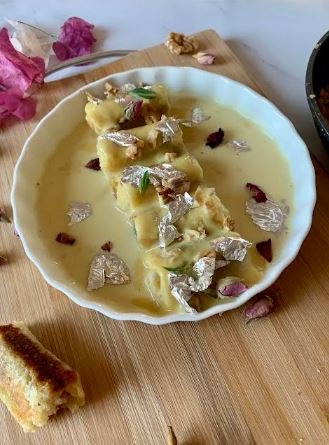
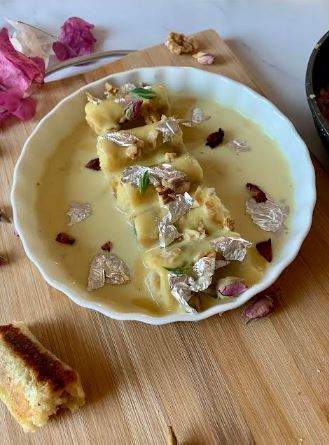
California Walnut Stuffed Shahi Tukda


California Walnut Stuffed Shahi Tukda – Chef Neha Deepak Shah 


Ingredients

3-4 bread slices, corners removed

For The Filling

1 cup roasted California walnuts

2 tablespoons Ghee

1/2 cup khoya

1/2 teaspoon cardamom powder

2 teaspoons rose water

Dried rose petals

1/4 – 1/2 cup sugar (adjust according to taste)

For The Instant Rabri

1/2 tin mithai mate

1 cup milk

Sugar

1/2 teaspoon cardamom powder

A few saffron strands dissolved in water

2 teaspoons milk powder

For The Garnish

Dried rose petals

California walnuts

Silver leaf


Preparation:

1. To start with, grind the roasted California walnuts coarsely. You can crush them too.

2. Heat ghee in a pan and add the ground walnuts. Roast them lightly on medium flame with constant stirring.

3. Crumble the mava and mix well with walnuts. Cook until the mixture turns crumbly.

4. Add the cardamom powder and rose water and cook for another few minutes.

5. Mix in the dried rose petals, remove from flame and keep it aside to cool.

6. For the instant rabri, heat the mithai mate in a heavy bottomed pan. Add the milk and keep cooking and stirring on medium flame.

7. Add the saffron water, cardamom powder and milk powder. Cook for a few minutes and then remove from flame and keep it aside.

8. To make the rolls, flatten and roll out the bread slices using a rolling pin.

9. Now, mix the sugar into the prepared filling and place the crumbly mixture onto the centre of a slice.

10. Apply some water onto the edges of the bread, roll tightly and seal them. Repeat with other slices.

11. Mix the prepared rabri and place it on medium flame to warm it up.

12. Meanwhile, heat ghee in a pan and slightly toast the rolls from all sides.

13. Divide each toasted roll into 2.

14. Now, pour some rabri onto a flat dish and place the rolls. Pour some more rabri over them.

15. Garnish with California walnuts, silver leaf and dried rose petals.


California Walnut Kalakand


California Walnut Kalakand – Shumaila Chauhan


Ingredients

1.5 cups walnuts

1L milk

1 tablespoon plus 1 teaspoon lemon juice

4-5 cardamoms, powdered

1/2 can condensed milk

1/4 teaspoon rose water

Chopped walnuts and dried rose petals, to garnish


Preparation

1. Roast walnuts in a pan on medium low heat for 3-4 minutes. Let cool, and then coarsely chop. Keep aside.

2. Line a strainer with muslin cloth over a wide bowl and keep aside.

3. In a heavy bottom pan, add whole milk and heat on medium high, stirring often. Let milk come to a boil, then turn heat off. Add 1 tablespoons juice, stir. If required, add another teaspoon till milk curdles completely and the whey separates.

4. Pour curdled milk over the muslin lined strainer. Wash the chena (curdled milk) to rid of the lemon flavor.

5. Squeeze out a little of the excess water- be careful not to over squeeze else the kalakand will be too dry. Tie the edges of the muslin cloth and let it hang over the sink faucet for 10-15 minutes.

6. In a pan, add the condensed milk, and chena (curdled milk). Mix and cook on low, stirring often. Cook for 10-12 minutes, till mixture thickens a bit and starts leaving the sides. Do not dry out completely.

7. Add cardamom powder and chopped walnuts, reserving a few to sprinkle on the top.

8. Grease an 8-inch pan, and line with parchment paper. Spread the mixture in half of the pan (the kalakand needs to be thick). Sprinkle the nuts and dried rose petals on top. Let set for a few hours, before cutting and serving.


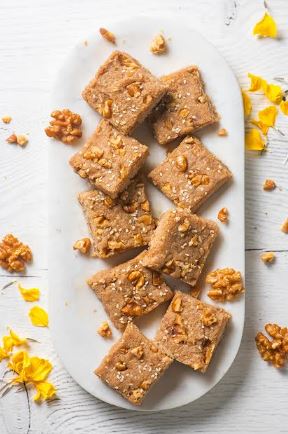
California Walnut and Til barfi


California Walnut and Til barfi  – Shumaila Chauhan


Ingredients

1 tablespoon ghee

500ml full fat milk

1/2 cup milk powder

1/2 cup walnuts

1/4 cup chopped walnuts

3/4 cup sesame seeds

1/3 cup jaggery powder

1/2 teaspoon cardamom powder


Preparation

1. In a pan over medium low heat, add the sesame seeds and heat 3-4 minutes. They will turn slightly golden and pop. Do not burn. Let cool and coarsely grind them.

2. Pulse walnuts to make walnut meal. Be careful to not over grind, else you will make walnut butter.

3. In a heavy bottom pan, heat ghee. Add milk and stir. Let the milk come to a soft boil over medium heat. Add the milk powder. Cook over medium heat, stirring often. Make sure to scrape the sides of pan. Cook for 10-15 minutes, till milk is reduced to half.

4. Add walnut and jaggery powder, and mix well. Cook for another 5-6 minutes.

5. Add in the powdered sesame seeds. Mix well. Stir another 2-3 minutes. Add in the cardamom powder and chopped walnuts (reserving a few for the top). Mix well. Stir till mixture thickens and starts leaving the pan and looks doughy. Turn off heat.

6. Grease a 5” by 7” pan. Line it with parchment paper. Spread the cooked mixture evenly. Top with the reserved chopped walnuts, and sprinkle some sesame seeds.  Let set for an hour in the refrigerator. Cut into rectangles and serve.

Maa Kauvery Launches Breast Clinic in Trichy, in Line with the 'Vaanga Amma Kitta Paesalam' Campaign

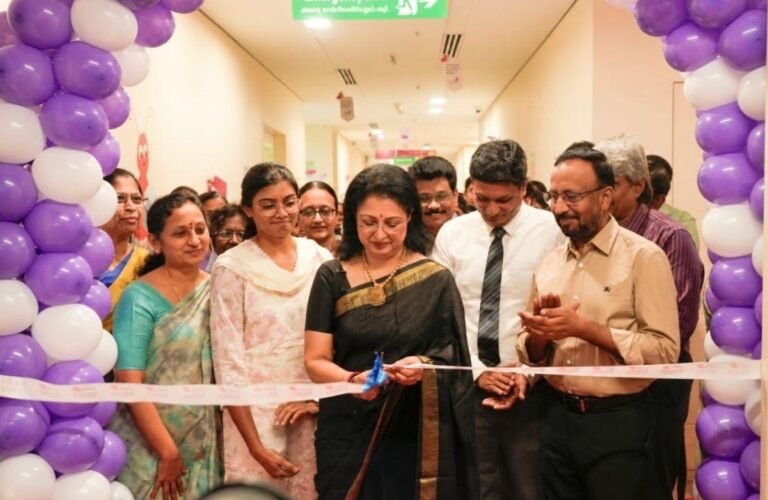
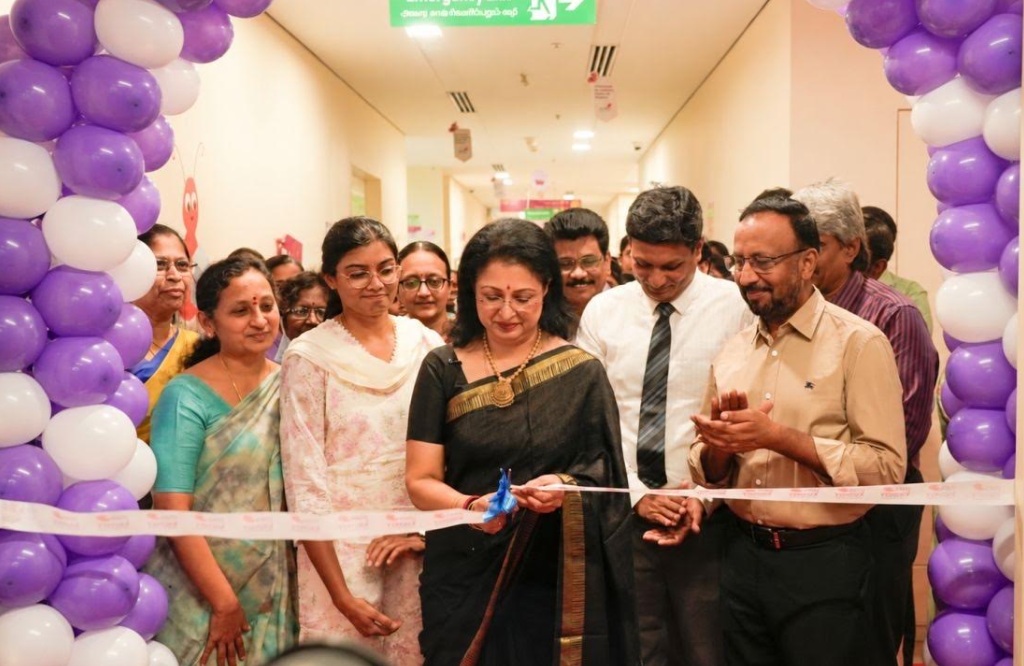
Maa Kauvery, Trichy, launched the Kauvery Breast Clinic, a one-stop centre with all women surgeons and consultants, designed to put patients at ease throughout their consultation and treatment. The centre was inaugurated by actress Gautami. The launch follows the hospital’s ‘Vaanga Amma Kitta Paesalam’ campaign, which encourages women to speak openly about breast health and seek timely care, so that conversations at home lead to early action. The clinic opens during Breast Cancer Awareness Month, embracing the 2026 global theme, “Every story is unique, every journey matters,” with a patient-centric approach that addresses each woman’s individual concerns at every stage of life.


Actress Gautami inaugurated Kauvery Breast Clinic in Maa Kauvery Trichy, a one-stop centre by women surgeons and consultants encouraging women to speak about breast health


Breast cancer is the most common cancer among women worldwide, with an estimated 2.4 million women diagnosed and 694,000 deaths, according to the World Health Organization. In India, it accounts for over 190,000 new cases a year, nearly 14% of all cancers.


Women seeking breast care often need to visit multiple doctors and centres for consultations, imaging, biopsies and specialist opinions. This can prolong the wait for answers and add to the anxiety surrounding symptoms such as breast pain, nipple discharge or a lump. Many women are also uncomfortable discussing these concerns with, or being examined by, male healthcare providers, which can make them delay seeking help. Women with a family history of breast cancer may also need guidance on their individual risk and screening needs. The Kauvery Breast Clinic brings these services together, offering a single point of access for assessment, treatment and ongoing support.


Speaking on the occasion, Dr. D. Senguttuvan, Co-Founder and Executive Director, Maa Kauvery, Trichy said, “Every woman, at every stage of life, should be able to talk about her breast health openly and get clear answers without delay. Too often, women move from one doctor to another for a consultation, a scan or a biopsy, and the wait for clarity becomes the hardest part. The Kauvery Breast Clinic has been created to change that. Whether it is a young woman worried about a lump, someone who wants to understand her family risk, a woman with pain or discharge she wants checked, or someone exploring reconstructive or cosmetic options, she will find the right specialists, the right technology and a team of women who understand her concerns, all under one roof. We are proud to bring this centre to Trichy.”


The Kauvery Breast Clinic offers a complete range of services, including screening and early detection, evaluation and treatment of benign breast diseases, genetic risk assessment and screening, oncoplastic and breast reconstructive surgery, breast cosmetic procedures, and psychological support and rehabilitation, along with diagnosis and treatment of breast cancer where needed. Care is delivered by a team entirely led-by women surgeons and consultants across breast surgery, radiology, pathology, oncology, gynaecology and psychology. This makes space for the patients to discuss sensitive concerns, undergo examinations and receive treatment in a comfortable and reassuring environment at every step.


Speaking on the occasion, Dr. Megha B, Consultant Breast Surgeon, Kauvery Hospital, Trichy, said, “Breast health should never take a backseat because of fear, embarrassment or hesitation. A comfortable and supportive environment can make a significant difference in encouraging women to seek medical advice at the right time. At the Kauvery Breast Clinic, our all-women team is committed to ensuring that every patient feels confident discussing her concerns and understands the care available to her. By making breast health conversations more approachable and accessible, we hope to encourage more women to prioritise regular check-ups and seek timely medical attention when they notice any changes.”


With the launch of the Kauvery Breast Clinic, Kauvery Hospitals reaffirms its commitment to bringing comprehensive, compassionate and coordinated breast care to the women of Trichy and the surrounding region.


About Kauvery Hospital

Kauvery Hospital is a leading multi-specialty healthcare provider in India, recognized for its commitment to clinical excellence, patient-centric care, and advanced medical infrastructure. The hospital group operates a network of twelve hospitals across six key locations – Trichy, Chennai, Salem, Hosur, Tirunelveli, and Bengaluru – and employs over 11000 healthcare professionals. Serving millions of patients annually, Kauvery Hospital is dedicated to delivering high-quality secondary and tertiary care, supported by a strong focus on innovation, clinical outcomes, and continuous advancement in healthcare delivery.

Kauvery Hospital Performs Combined Heart Bypass and Laparoscopic Abdominal Surgery Without Intervening Gap in 75-Year-Old Patient

Rare achievement; only a few such sequential cardiac and abdominal surgeries reported globally.


Marking a rare milestone in surgical history, Kauvery Hospital, Tirunelveli, successfully performed a coronary artery bypass surgery followed immediately by a laparoscopic abdominal surgery with no intervening gap between the two procedures.


This uninterrupted sequence, reported in only a limited number of patients worldwide, was performed on a 75-year-old man diagnosed with triple-vessel coronary artery disease and a large 10-cm mesenteric cyst.
 

Tirunelveli Kauvery Hospital Performs Combined Heart Bypass and Laparoscopic Abdominal Surgery Without Intervening Gap in 75-Year-Old Patient


The cardiac procedure was a beating-heart Coronary Artery Bypass Grafting (CABG).


Three bypass grafts were created — one using an artery from inside the chest and two using veins from the leg — to bypass three blocked coronary vessels.


The abdominal procedure was a laparoscopic subtotal excision to remove the 10-cm cyst located in the mesentery, the tissue that supports the intestines.


The patient recovered well following both procedures and continues to do well with no signs of infection during follow-up.


Normally, when a patient requires both cardiac and major abdominal surgery, the procedures are performed in separate stages, often with a gap of several weeks to months to allow the heart and other organs to recover and stabilise after the first major operation.


Performing two major surgeries in immediate succession is considered high-risk, as it places additional stress on the heart and lungs and increases concerns related to blood loss, anaesthesia, postoperative complications and infection.


In this instance, as the patient was experiencing severe pain due to the abdominal cyst, the medical team decided to perform both procedures during the same surgical session. To minimize the risk of bleeding, the cardiac team performed the bypass on the beating heart.


The gastrointestinal team then excised the cyst through small keyhole incisions using the laparoscopic approach.


The procedures were performed by a multidisciplinary team led by Dr. R. Arun Singh, Cardiothoracic Surgeon, who performed the bypass surgery, with support from Dr. M.S.L. Mahboobu Subuhani, Cardiologist. Dr. Karthikeyan, Gastrointestinal Surgeon, performed the laparoscopic abdominal procedure, while Dr. Lakshmanan K and Dr. Selvi Mahalingam M, Anaesthesiologists*, provided anaesthesia and perioperative support for both procedures.


Dr. R. Arun Singh, Cardiothoracic Surgeon, Kauvery Hospital, Tirunelveli, said, “Performing bypass surgery and then proceeding immediately to a major abdominal surgery in the same session is not routinely undertaken anywhere, as the heart is particularly vulnerable in the period immediately following bypass. There are several risks involved. The blood-thinning medicines used during cardiac surgery, along with the body’s altered clotting tendency after bypass, can increase the risk of bleeding. Laparoscopic surgery itself can affect blood flow and heart function. Besides, performing two major procedures in succession places additional stress on the heart and lungs. There is also a risk of infection, including infection affecting the heart. However, in this situation, the patient was experiencing severe pain caused by the abdominal cyst and the procedure could not be delayed. We therefore carefully assessed and managed each of the associated risks to proceed with the abdominal surgery immediately after the bypass.”


Dr. Karthikeyan, Gastrointestinal Surgeon, Kauvery Hospital, Tirunelveli, said, “This was the first time I performed a major abdominal surgery immediately following a cardiac bypass, and it was a challenging experience that required considerable expertise and close coordination with the cardiac and anaesthesia teams. The patient had to undergo the abdominal procedure because of the severe pain caused by the cyst, despite having just undergone a major cardiac surgery. We had to carefully balance the abdominal requirement with the patient’s cardiac condition and proceed with the laparoscopic surgery without any delay. I am very happy that we were able to complete the procedure successfully and that the patient is recovering well, with both his cardiac and abdominal conditions addressed.”


Dr. Lakshmanan, Medical Administrator, Kauvery Hospital, Tirunelveli, said, “We are extremely proud of this significant achievement, which demonstrates the clinical expertise, preparedness and teamwork of our medical teams. Performing two major procedures without an intervening gap required meticulous planning, close coordination and continuous monitoring. The seamless collaboration between our cardiac, gastrointestinal and anaesthesia teams enabled us to undertake this challenging sequence of procedures safely and successfully. This achievement reflects our commitment to providing advanced, multidisciplinary care for patients who present with complex and time-sensitive medical needs.”

Kauvery Hospital Treats Complex Aortic Valve Regurgitation Using Specialised HANCHOR Valve Technology

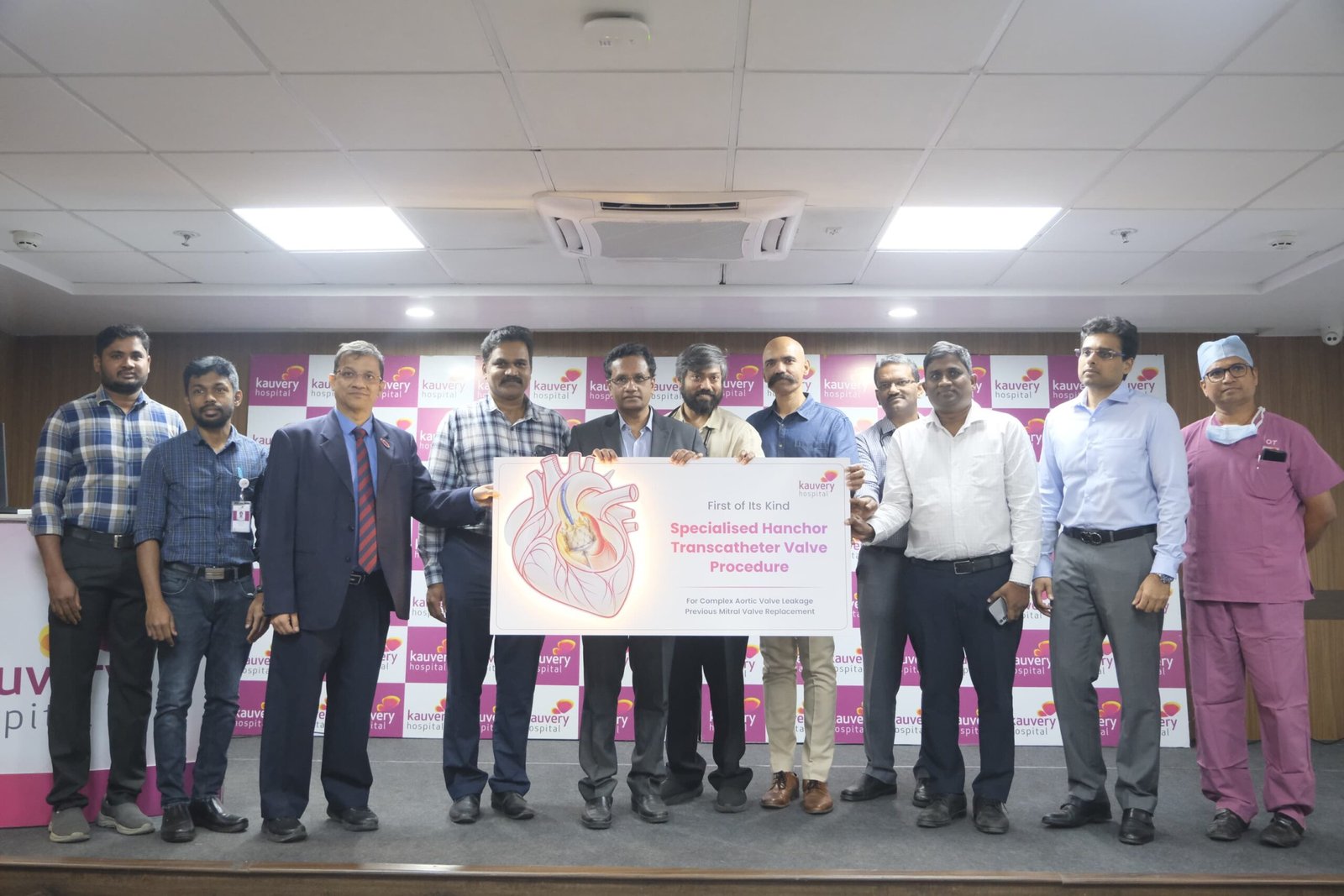
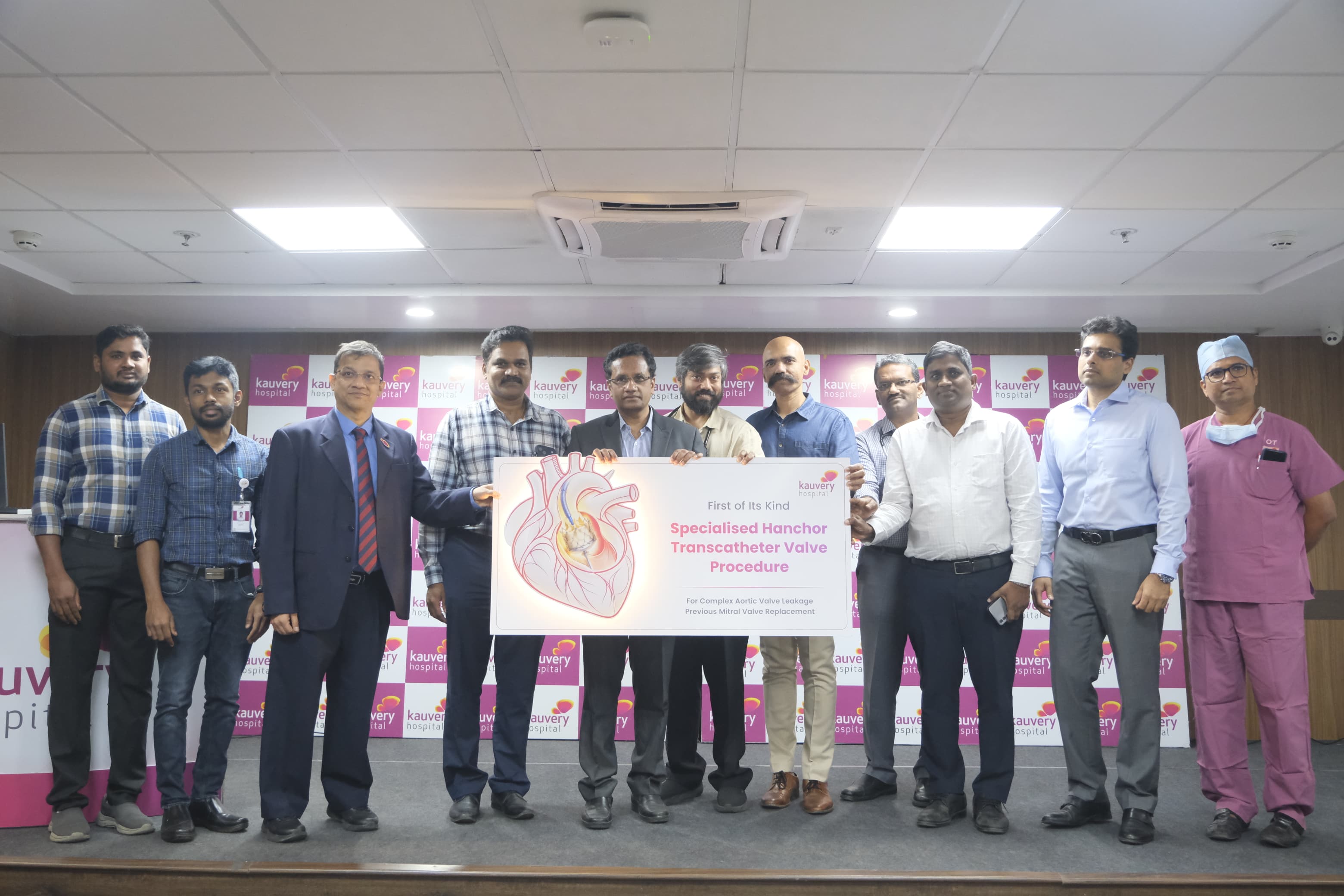
Kauvery Hospital, Alwarpet, Chennai, has successfully treated severe aortic valve leakage, known as Pure Native Aortic Regurgitation (PNAR), in a 63-year-old man with a transcatheter aortic valve replacement (TAVR) procedure using the specialised HANCHOR valve. The condition was caused by a perforation in the patient’s native aortic valve leaflet. The patient also had a history of mitral valve replacement, adding to the complexity of the treatment. This is the first of its kind procedure where the HANCHOR valve has been used for TAVR in a patient presenting with this combination of clinical factors.


Dr. Iyappan Ponnuswamy, Medical Director, Dr. Clive Fernandes – DMS, Dr. Mahesh Kumar – MS, Dr. R. Anantharaman, Sr. Cardiologist & Cardiology Team


The aortic valve regulates blood flow from the heart into the aorta, the main artery that supplies blood to the body. When the valve does not close properly, blood flows backwards into the heart, a condition known as aortic regurgitation. In this patient, the leakage was severe and associated with a perforation in one of the valve’s leaflets, making treatment more complex.


Treating pure native aortic regurgitation through a catheter-based approach presents a specific challenge. Unlike aortic stenosis, in which calcium deposits can help secure a replacement valve, patients with pure native aortic regurgitation often have little or no calcification to support the implanted valve. This makes stable positioning and secure anchoring more difficult. The patient’s previous mitral valve replacement added another important consideration to the treatment planning.


The HANCHOR valve is designed to address the challenge of valve anchoring in pure native aortic regurgitation. It combines a balloon-expandable frame with a dedicated anchoring element made of nitinol, a flexible metal alloy. The anchoring mechanism is designed to engage the native valve leaflets and help stabilise the replacement valve, including in situations where the surrounding anatomy offers limited support.


During the TAVR procedure, the replacement valve was delivered through a catheter and positioned within the patient’s existing aortic valve. This minimally invasive approach allows doctors to replace the faulty valve without conventional open-heart valve replacement surgery, where clinically appropriate.


Following the procedure, the post-procedure assessment reported no residual aortic regurgitation, no valve stenosis (abnormal narrowing) and no paravalvular leak, which is leakage around the implanted valve. No significant abnormality in the heart’s electrical conduction was reported. The patient was discharged after three days.


Dr. Rajaram Ananantharaman, Senior Consultant Interventional Cardiologist Kauvery Hospital, Alwarpet, Chennai, said, “Pure native aortic regurgitation can be challenging to treat using a catheter-based approach because the limited calcium deposits in the native valve can make it difficult to secure a replacement valve. Also, the perforation of the aortic valve leaflet, combined with the patient’s history of mitral valve replacement, added further complexity to treatment planning. The HANCHOR valve’s dedicated anchoring mechanism helped us address the challenges of valve positioning. The immediate post-procedure findings were encouraging, with no residual aortic regurgitation or leakage around the implanted valve reported. This procedure demonstrates the importance of individualised treatment planning and specialised valve technology in managing complex structural heart conditions.”


Commenting on the treatment, Dr. Aravindan Selvaraj, Co-founder and Executive Director, Kauvery Group of Hospitals, said, “At Kauvery, we are committed to advancing patient care through clinical expertise, innovation and the adoption of appropriate medical technologies. Success stories such as this highlight the importance of combining specialised treatment approaches with careful clinical assessment to address complex cardiac conditions. We continue to focus on bringing advanced treatment options to patients while maintaining the highest standards of patient safety and care.”