
Home Blog Page 12

New and Novel Study Links Prenatal Omega-3 Fatty Acid Levels to Children's Cognitive Development Through Adolescence

What a mother eats during pregnancy may have implications for her child’s cognitive development years after birth, according to new research published in the peer-reviewed European Journal of Epidemiology. The study found that higher prenatal levels of certain omega-3 fatty acids, including plant-based alpha-linolenic acid (ALA) and docosahexaenoic acid (DHA), were associated with differences in children’s attention, working memory and fluid intelligence from childhood through adolescence.1

 

California Walnuts


This first-of-its-kind research, funded by the California Walnut Commission, adds to the growing body of evidence examining the relationship between prenatal nutrition and long-term neurodevelopment. Importantly, the findings suggest that different types of omega-3 fatty acids may have distinct associations with cognitive function at different stages of childhood, specifically plant-based omega-3 ALA. Previous omega-3 fatty acid research has centered on fish- and marine-derived DHA and EPA where ALA has seen less investigation, until now.


For health professionals and expectant parents, the findings reinforce the importance of a balanced dietary pattern that incorporates a variety of omega-3-rich foods, including walnuts, which provide an excellent source of essential plant-based omega-3 ALA (2.5g/28g).2


Study Details: A first-of-its-kind assessment on prenatal omega-3 consumption

Researchers from Southern Catalonia Biomedical Research Institute (IRB CatSud) and ISGlobal analyzed data from the Spanish Childhood and Environment (INMA) project, a population-based birth cohort, examining 716 mother-child pairs from four regions of Spain.


The research team measured three omega-3 fatty acids — ALA, DHA and EPA — in umbilical cord plasma to assess prenatal omega-3 exposure. Children’s cognitive development was then evaluated at multiple points from approximately ages 5 through 15, focusing on attention, working memory and fluid intelligence, which includes the ability to reason and solve new problems.


The findings revealed several important distinctions:1


1. Higher prenatal ALA levels were associated with better attention during childhood.

Children with higher proportions of ALA in umbilical cord plasma demonstrated significantly lower overall inattentiveness across the follow-up period compared with children with lower ALA proportions.


The association was particularly evident during early childhood, around ages 5 and 7, when higher ALA levels were also associated with better fluid intelligence. These early advantages diminished over time, with the modeled associations reversing by adolescence.


Researchers also observed a potential positive trajectory for working memory associated with higher prenatal ALA, although this finding was less robust in the primary analysis and became statistically significant in additional sensitivity analyses.


2. Higher prenatal DHA levels were associated with cognitive advantages extending into adolescence.

Higher DHA proportions were associated with lower overall inattentiveness and better overall working memory performance.


The associations varied with age. Working memory advantages were most pronounced earlier in childhood, while favorable associations with attention and fluid intelligence became more apparent as children approached adolescence.                                                                           


3. EPA was not significantly associated with the cognitive outcomes evaluated.

Unlike ALA and DHA, EPA proportions were not significantly associated with overall cognitive performance or developmental trajectories in this study.


Why This Research Matters: The Importance of Omega-3 ALA

Omega-3 fatty acids are important components of maternal nutrition, particularly during pregnancy, when the developing brain undergoes rapid growth. While DHA has historically received considerable attention in prenatal nutrition research, this study contributes to establishing the distinct benefits individual fatty acids contribute. In addition, it highlights the emerging evidence surrounding ALA, an essential plant-based omega-3 fatty acid.


“Our findings highlight the importance of looking beyond omega-3 fatty acids as a single group and understanding how individual fatty acids may relate to cognitive development at different stages of childhood,” explained Jordi Julvez, PhD, principal investigator and head of the Clinical and Epidemiological Neuroscience (NeuroÈpia) group at IRB CatSud and researcher at ISGlobal.


“We observed that higher prenatal levels of ALA, an essential plant-based omega-3, were associated with favorable attention and reasoning outcomes in early childhood, while DHA showed more sustained associations as children developed into adolescence,” said Ariadna Pinar, first author of the paper and a PhD student from NeuroEpia group at IRBCatSud. “This research is the first of its kind to assess the association of cord plasma ALA proportions on cognitive trajectories in the offspring and adds to our understanding of the potential long-term relevance of prenatal nutrition and reinforces the importance of a varied, balanced diet that provides different sources of omega-3 fatty acids.”


ALA is considered essential because the human body cannot produce it on its own; it must be obtained through food. Although the body can convert some ALA into longer-chain omega-3 fatty acids, including EPA and DHA, that conversion is limited. Consuming a variety of dietary omega-3 sources is therefore important.


Walnuts are particularly noteworthy. 28g of walnuts — approximately a handful, or 12–14 walnut halves — provides 2.5 grams of ALA, making them an excellent source and convenient way to incorporate this essential nutrient into everyday eating habits.2


Other dietary sources of ALA include flaxseeds, chia seeds and certain plant oils, while DHA and EPA are primarily found in fatty fish and seafood.


The new research supports considering different dietary sources of omega-3 fatty acids as part of an overall balanced eating pattern rather than focusing exclusively on one type. Further research is needed to better understand the individual contributions of omega-3 fatty acids and how prenatal and postnatal dietary patterns may influence cognitive development over time.


For recipes, usage ideas and more, visit www.californiawalnuts.in and follow @californiawalnutsindia. 


About the California Walnut Commission 

The California Walnut Commission (CWC) represents more than 3,700 California walnut growers and approximately 70 handlers whose walnuts are sold around the world, with more than 99% of the walnuts grown in the United States being from California. California walnuts, grown primarily in multi-generational family orchards, are known for their quality and nutritional and wellness benefits.  


The CWC, established in 1987, drives domestic and export market development activities and health research to support sales of California walnuts around the globe.  


References:

  1. Pinar-Martí, A., Ayala-Aldana, N., Bernardo-Castro, S. et al. Omega-3 cord plasma proportions and cognitive function trajectories from 5 to 15 years of age: a population-based cohort study. Eur J Epidemiol (2026). doi.org/10.1007/s10654-026-01461-8

  2. U.S. Department of Agriculture, Agricultural Research Service. FoodData Central, 2019. fdc. Nal.usda.gov.

+A one-ounce (28g) serving provides 18g of total fat, “healthy fats” including 2.5g of monounsaturated fat and 13g of polyunsaturated fat (including 2.5 g of plant-based omega 3 ALA) and 1.5g of saturated fat.


Driving Global Innovation – GTDC Summit APJ Underscores Distribution's Transformative Power

Top leaders from the vendor and distribution communities gathered this week for the 3rd Annual Summit APJ event, hosted by the Global Technology Distribution Council (GTDC), the world’s largest consortium of technology distributors. The audience included channel executives from leading edge technology companies, as well as analysts, media and other organizations with a stake in building strong IT ecosystems and robust go-to-market strategies.
 

Driving Global Innovation – GTDC Summit APJ Underscores Distribution’s Transformative Power
 

Conversations at Summit APJ highlighted many of the unique and powerful capabilities of distribution and how current and future investments will impact vendors and solution providers. In an increasingly AI-driven world, several speakers shared how the value proposition of distributors will continue to transform and strengthen, further empowering channel partners in the design, sale, implementation and support of these advanced new technologies.
 

Ananth Lazarus, Managing Director of APJ for GTDC highlighted the challenges many channel organizations face today and what will be needed to overcome those obstacles in the future. “AI and digital transformations require more than access to technology-they need the expertise, partnerships and local knowledge to put these increasingly complex solutions to work. Across APJ’s diverse markets, distribution brings these elements together, empowering vendors and solution providers, allowing them to turn digital ambition into meaningful business outcomes.”
 

In his opening keynote, GTDC CEO Frank Vitagliano emphasized positive sales trends in 2026 and how innovation is shifting global demand for new services and solutions. He shared data from the new GTDC/Channelnomics study on the Evolving Role of Distribution in APAC technology go-to-market models. This research covered customer needs, execution gaps and how channel orchestration addresses innovation shortfalls. “Distribution helps make these technology transformation journeys possible by connecting the systems, partners, capabilities and support required to bring it all to market,” said Vitagliano. “Helping vendors and partner move beyond individual point sales to delivering meaningful and productive business outcomes for their customers is a valued opportunity, and it’s an area in which distributors excel.”
 

Tiffani Bova, Chief Strategy and Research Officer at the Futurum Group, joined Vitagliano on stage after the opening presentation for an engaging conversation on the evolving role of distribution in emerging technology adoption. They also explored opportunities for vendors and distributors to better engage and support “Frontier Partners” – a new breed of AI-first, change-focused service provider. Those organizations focus more on change and intelligence than technologies and seek different types and levels of support than traditional VARs and MSP, including more collaborative technology alliances.
 

Additional Highlights from Summit APJ

From expanding IT markets across the region to the increasing roles and responsibilities of distribution in the rapidly shifting technology ecosystem, the diverse agenda offered a plethora of research-based perspectives and engaging conversations. This year’s event also included an interactive educational workshop for vendors and distributors on how to equip teams for these evolving environments, as well as several highly informative discussions with industry thought leaders, including:

  • Sandra Ng of IDC emphasized the speed of business transformation and explained how the infrastructure running businesses today will be vastly different by 2030. As AI and quantum computing disrupt the computing space and evolve the workplace, job titles and organizational charts will transition along with these new environments. How the channel adapts to those changes will be key to its long-term success.

  • Alex Holmes from the Economist Intelligence Unit (EIU) examined disruptions shaping global financial markets, from rapid changes in economic policies, tariffs and inflation to monetary shifts that impact APJ and the IT industry. He expresses cautious optimism that the technology boom will continue to outweigh the political headwinds unless global conditions change course.

  • GTDC’s Vitagliano also moderated the annual “view from the top” panel discussion with senior executives of the distribution community, including Cem Borhan, CEO of ASEAN and South Asia, Redington Limited; Luis Lourenco, SVP & CEO ASEAN & HK for Ingram Micro; and H.H. Lim, President of SiS. The group discussed AI’s transformative effect on distribution and the channel, as well as shifting customer priorities, emerging technologies, evolving partner expectations and the market forces influencing investment and growth.

  • Ananth Lazarus, Managing Director of APJ for GTDC, led an insightful conversation on the true opportunities and challenges in AI from the partners’ perspective. Thought leaders providing their unique and diverse insight from across the value chain on this topic included Ashok Verma of NCINGA and Edric Khoo with SCash Global Pte Ltd. Their conversations addressed AI from the infrastructure, software, and managed services perspective, focusing on where value is truly being created, who will capture it, and what this means for the future of the channel and distribution across APJ.

  • CONTEXT’s Joseph Turner and the Futurum Group’s Tiffani Bova conducted an interactive workshop on AI, cybersecurity and reinvention of channel value. This session highlighted how vendors and distributors can leverage market intelligence, strategic insight and peer collaboration to create a sustained advantage for their channel programs.
     

Register now for GTDC Summit North America, February 10th-11th, 2027, at the Omni Resort & Spa Montelucia in Scottsdale, AZ and save the date for GTDC Summit EMEA April 13-14 at the Grand Hotel Huis ter Duin in Noordwijk, The Netherlands. Visit the GTDC events page for more details.
 

About the GTDC

The Global Technology Distribution Council is the industry consortium representing the world’s leading tech distributors. GTDC members drive an estimated $200 billion in annual worldwide sales of products, services and solutions through diverse business channels. GTDC conferences support the development and expansion of strategic supply-chain partnerships that continually address the fast-changing marketplace needs of vendors, end customers and distributors. GTDC members include AB S.A, Arrow Electronics, CMS Distribution, Computer Gross Italia S.p.A., D&H Distributing, ELKO Group, Esprinet S.p.A., Exclusive Networks, Infinigate, Ingram Micro, Intcomex, Logicom Public Limited, Mindware, Nexora, Redington Limited, SiS Technologies, Tarsus Distribution, TD SYNNEX, TIM AG, VSTECS Holdings Limited and Westcon-Comstor.

ASBL Pioneers a Research-Driven Approach to Residential Real Estate

As the Indian real estate sector evolves to meet changing consumer expectations and emerging lifestyle preferences, ASBL is taking a research-led approach to residential development, placing data, consumer insights and thoughtful design at the centre of its projects. Recognising this vision and leadership, Ajitesh Korupolu, CEO of ASBL, received the ‘Real Estate Icon’ award at the Way2News Mega Conclave.


Ajitesh Korupolu, CEO and Founder of ASBL with Chief Minister of Telangana Revanth Reddy


Under Ajitesh Korupolu’s leadership, ASBL has focused on developing residential projects that respond to how people want to live today and how their expectations are likely to evolve in the future. The company’s approach combines market research, data-driven insights and an understanding of changing consumer preferences to inform decisions across project planning, design and construction.


For ASBL, real estate development goes beyond creating residential structures. It involves understanding the people who will eventually inhabit these spaces, anticipating their requirements and translating those insights into practical, thoughtfully designed living environments. By studying emerging lifestyle trends and the evolving expectations of urban homebuyers, the company aims to create developments that offer long-term relevance and align with contemporary ways of living.


This philosophy reflects a broader shift in the real estate industry, where homebuyers increasingly look beyond conventional specifications and place greater importance on design, functionality and lifestyle considerations. ASBL’s emphasis on research and data enables it to approach residential development with a deeper understanding of these expectations, bringing greater purpose and consideration to the way its projects are conceptualised and delivered.


The ‘Real Estate Icon’ recognition at the Way2News Mega Conclave marks an important milestone in Ajitesh Korupolu’s journey as a real estate leader. It also highlights ASBL’s continued commitment to innovation, research-led development and creating residential spaces that are aligned with the aspirations of modern homebuyers.


As the real estate landscape continues to transform, ASBL remains focused on combining data, design and consumer understanding to shape the next generation of residential developments.


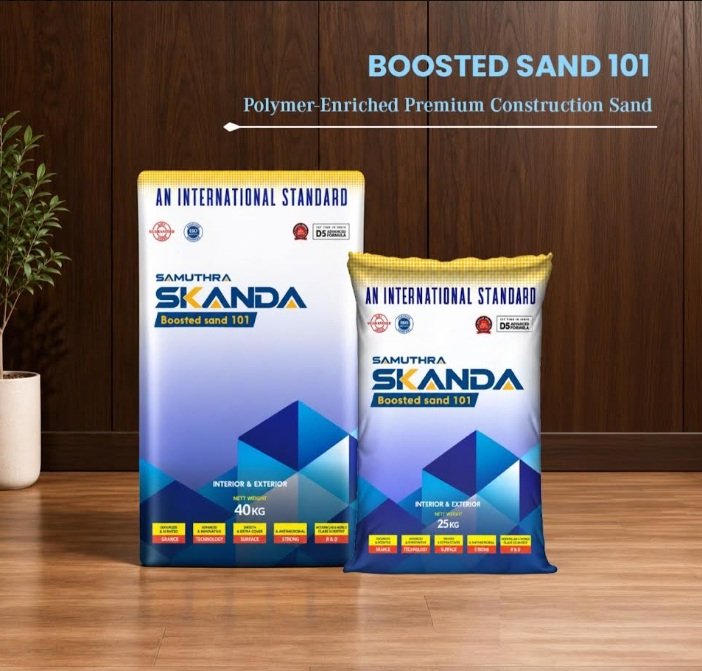
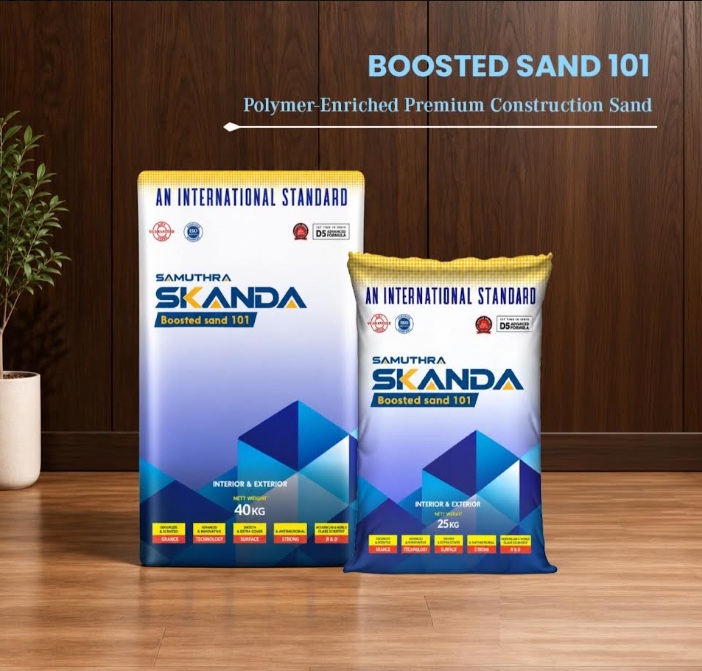
Samuthra Mines & Minerals Sets a New Benchmark in Responsible Expansion with Samuthra Skanda Across South India

Samuthra Mines & Minerals Pvt. Ltd. today announced the launch of Samuthra Skanda, its new brand of packaged construction materials, alongside a Rs 100-crore investment in expanding its construction materials business across five South Indian states.


Samuthra Mines & Minerals launches Samuthra Skanda


The brand debuts with 19 patented products packaged in eco-friendly polymer bags and targets Rs 500 crore in revenue in FY 2026–27. Moving beyond conventional loose-material sales, the company aims to bring greater standardisation and accountability to the building materials market through a more organised and responsible model that promotes efficient raw material utilisation, minimises wastage, ensures regulatory compliance and enhances supply-chain transparency.


Speaking about the expansion, Dr. Subash Sukumar, Founder, Samuthra Mines & Minerals Pvt. Ltd., said, “For decades, sand and several other construction materials have been sold loose, often without the consistency, transparency and accountability that customers deserve. With Samuthra Skanda, we are bringing a more organised approach to the market through 19 patented construction products in sealed, branded bags, ensuring accurate weight, tested quality and cleaner handling. Beyond standardisation, our focus is on responsible resource utilisation, minimising raw material wastage and reducing the need for unnecessary extraction. Our operations are aligned with applicable government policies, regulatory requirements and the stipulated procedures of the Geological and Mining Departments. Every bag sold is invoiced and traceable, helping formalise the construction materials trade, strengthen compliance and contribute to state revenues. Whether customers order through our digital platform or purchase from an authorised dealer, they can expect a consistent and reliable experience backed by an integrated distribution network.”


“We see this as an opportunity to demonstrate that industrial growth and environmental responsibility can go hand in hand. The initiative will also create 2,000 direct and 6,000 indirect employment and business opportunities across manufacturing, logistics, distribution and allied services. With a Phase 1 investment of Rs 100 crore, we are targeting revenues of Rs 500 crore in FY 2026–27. Our initial rollout across Tamil Nadu, Karnataka, Kerala, Andhra Pradesh and Telangana, supported by 680 authorised dealers and a fleet of over 200 attached trucks, marks the beginning of a larger growth journey. We plan to subsequently expand across India and into international markets, building on our existing trade relationships in the Middle East, Vietnam, the Maldives and Sri Lanka,” Dr. Sukumar added.


The Samuthra Skanda Product Range

Samuthra Skanda launches with 19 products across three broad categories: flagship construction products, specialty mortars and plasters, and graded sands. The products will be available in 25 kg and 50 kg packaging formats.


Flagship products

S.No

Product

Description

Application

1. 

Skanda Boosted Sand 101

Polymer-enriched premium construction sand

Masonry, plastering and general construction

2. 

Skanda Tile Sand 102

Premium graded sand

Tile adhesive manufacturing

3. 

Skanda FoundSand 103

Premium-grade foundry sand

Foundries and metal casting

4. 

Skanda Ready Wallplaster 201

Ready-mix wall plaster

Interior and exterior wall plastering

5.

Skanda Tile Adhesive 202

Ready-to-use tile adhesive

Floor and wall tile fixing


Mortars and plasters

S.No

Product

Application

6.

Skanda Lime Base Mortar

Heritage, restoration and breathable masonry work

7.

Skanda Lime Fume Mortar

High-strength, low-permeability structural and repair work

8.

Skanda Gypsum Mortar

Smooth interior wall and ceiling finishes

9.

Skanda Premix Mortar

Ready-to-mix masonry and plastering

10.

Skanda General Purpose Mortar

Everyday masonry, block laying and plastering

11.

Skanda Solid Repair Mortar

Patching and repair of concrete and masonry

12.

Skanda Crack Proof Mortar

Crack-resistant plastering and joint filling

13.

Skanda Concrete Grade Mortar

Structural repairs and concrete-grade applications

14.

Skanda Damp Proof Plaster

Moisture-resistant plastering for walls and basements


Graded and specialty sands

15.

Skanda F Grade Sand

Fine-grade sand for plastering and finishing

16.

Skanda W M-Sand

Washed manufactured sand for concrete and masonry

17.

Skanda Washed Silica Sand

Glass, filtration and industrial applications

18.

Skanda Base Sand

Bedding and base layers for paving, pipes and flooring

19.

Skanda Decorative Colour Sand

Decorative flooring, landscaping and design finishes


About Samuthra Mines & Minerals

Samuthra Mines & Minerals Pvt. Ltd. supplies sand, aggregates, silica sand and raw materials for construction and construction-materials manufacturing. The company holds exclusive offtake agreements with mine owners, oper‐ates more than 200 attached trucks and is building over 90 stock yards across South India, with import and exportlinks to the Middle East, Vietnam, the Maldives and Sri Lanka. Under the Samuthra Skanda brand, it offers 19bagged products, including construction and specialty sands, mortars, plasters and tile adhesive, through its digitalplatform and dealer network.


For more information, visit samuthramines.com.

Sourcing with Purpose: SUTRA 2026 Brings Industry, Policymakers and Partners Together to Shape the Next Generation of Trusted Value Chains

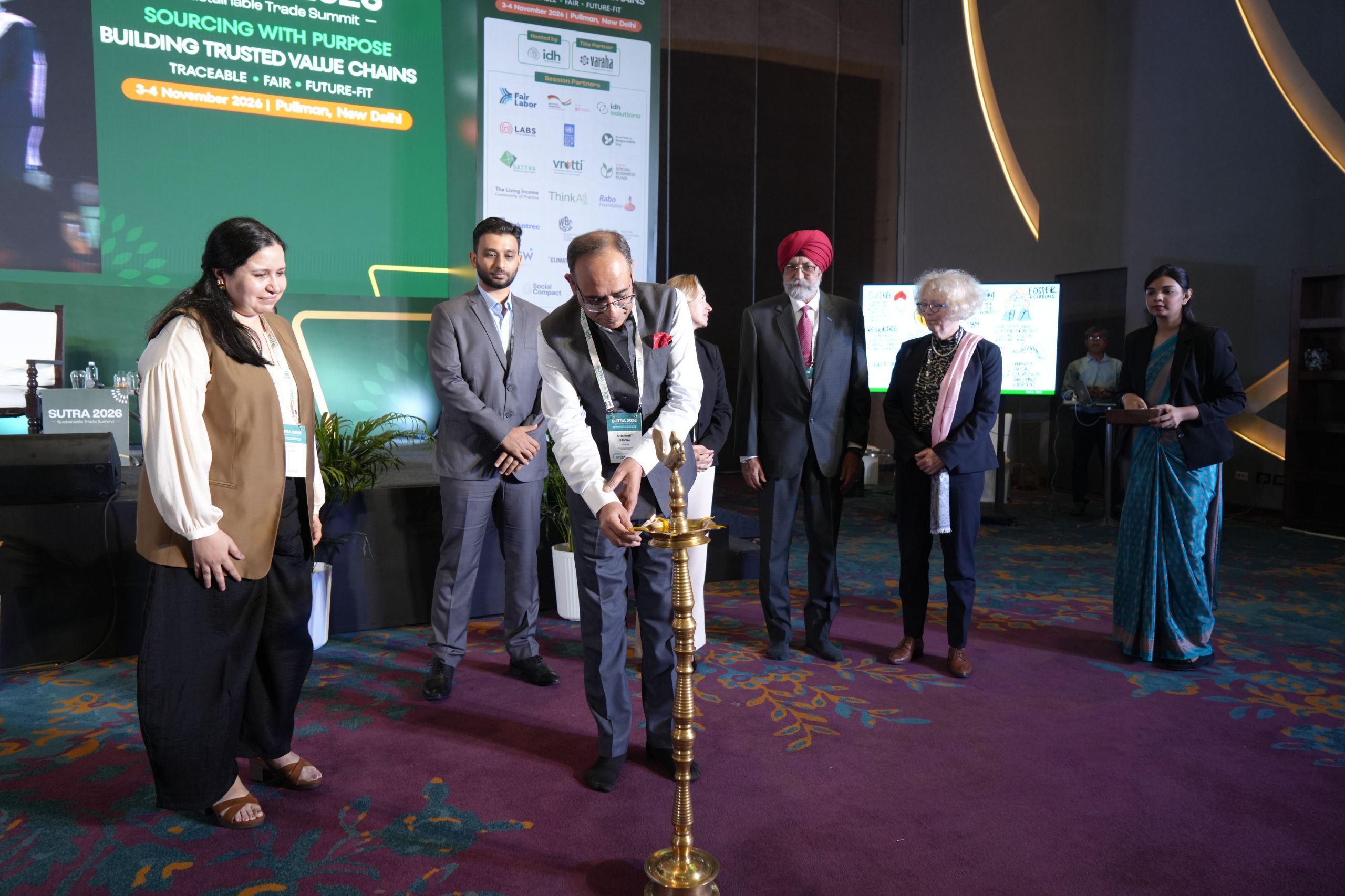
As global trade evolves, expectations around transparency, responsible sourcing, climate resilience and social inclusion are reshaping supply chains. Against this backdrop, IDH, along with Varaha, convened the fourth edition of SUTRA – The Sustainable Trade Summit on 3-4 November 2026. Under the theme “Sourcing with Purpose: Building Trusted Value Chains – Traceable. Fair. Future-Fit.”, SUTRA 2026 explored how businesses can move beyond sustainability commitments to build more transparent, equitable and resilient supply chains.
 

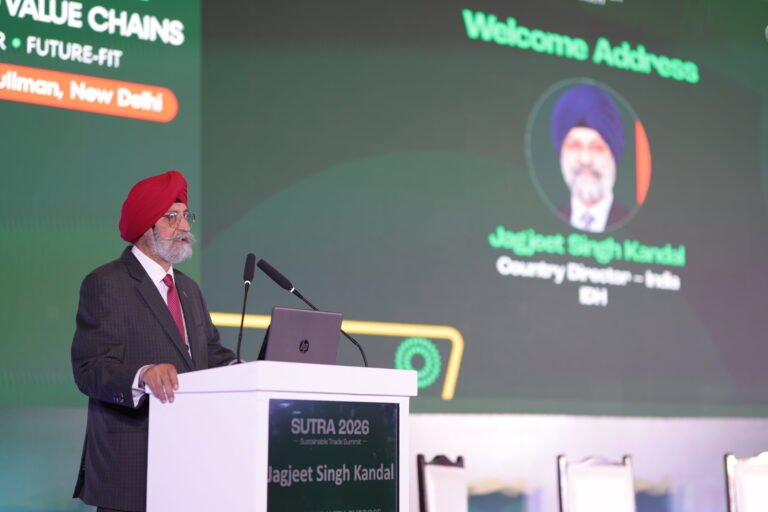
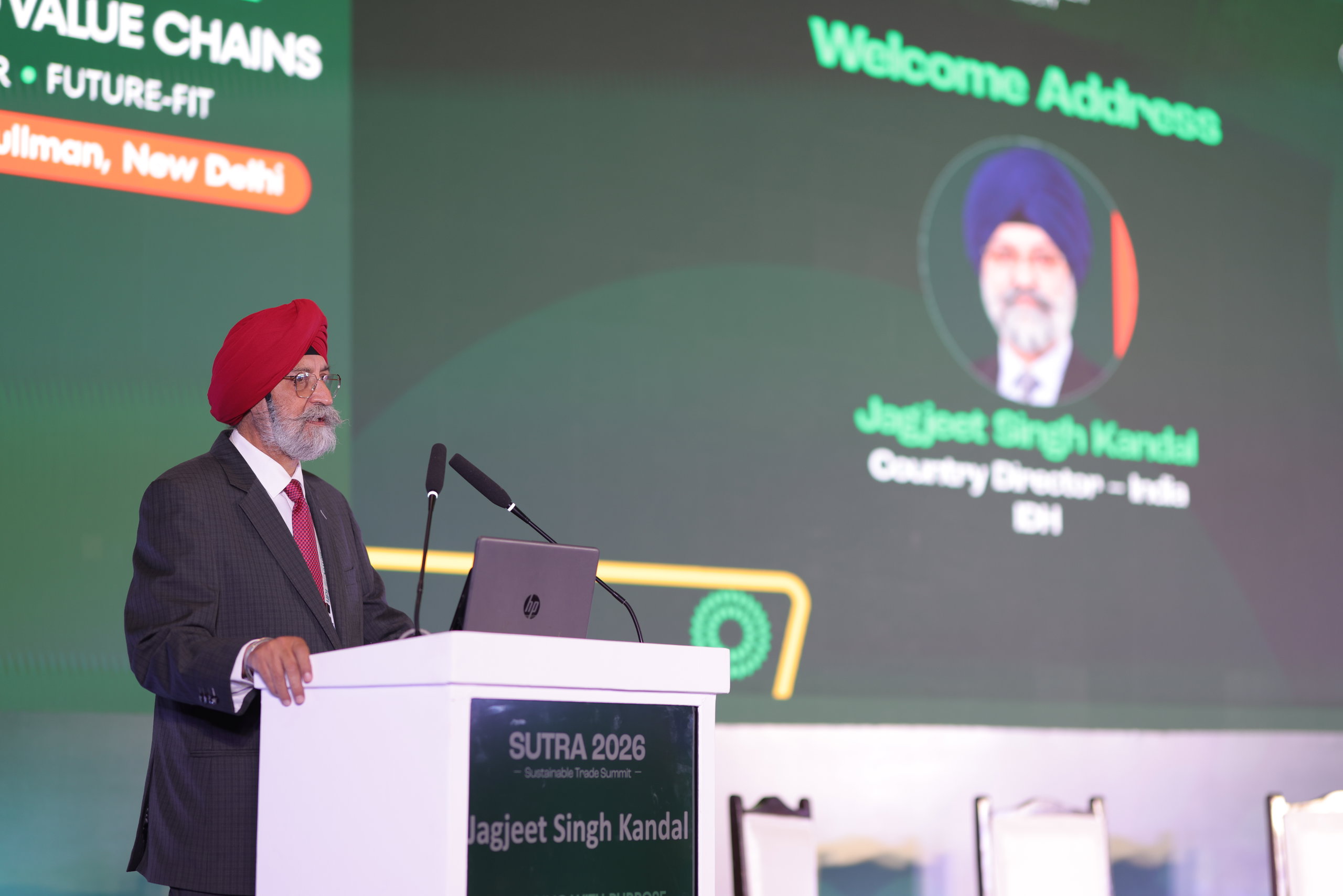
Mr. Jagjeet Singh Kandal, India Country Director, IDH, addressing the audience at IDH SUTRA 2026
 

The 2026 edition brought together 650+ participants, 65+ speakers, and more than 20 partners. Addressing the event, Shri. Rohit Kansal, Secretary, Department of Rural Development, Government of India, said, “Sustainable trade must ultimately sustain the people and communities who make it possible. As India strengthens its position in global value chains, it is important that the opportunities created by trade also reach farmers, artisans, workers and rural enterprises. This calls for stronger connections between businesses and rural producers, built on capability, access to capital, market linkages and competitiveness. Rural enterprises must be seen as business partners who can deliver quality, reliability and value. When buyers and producers have a shared stake in the relationship, we create the foundation for trusted supply chains that deliver fair returns for communities and lasting value for businesses.”


Other eminent speakers and panelists included Marion van Schaik (Agriculture Counselor, Netherlands Embassy in India); Laurent Le Danois (Attache, Team Leader – Cooperation, Delegation of the European Union to India and Bhutan); Sagar Kaushik (President, Global Corporate & Industry Affairs, UPL; Chair, BRICS Business Council Agri-business Working Group); leaders from ITC Limited, Unilever, GIZ India, ISEAL, Nestlé, Coca-Cola India, PepsiCo India, CEEW, among others. On the sidelines of the summit, IDH also announced a strategic collaboration with the International Fashion Business Exchange Council under its Re-Start Cluster Collective Program, aimed at advancing a more sustainable and circular textile sector in India.
 

Lamp-lighting ceremony by the dignitaries at IDH SUTRA 2026


Echoing this commitment, Mr. Jagjeet Singh Kandal, India Country Director, IDH, said, “Over the past four years, SUTRA has grown into a platform that brings businesses, governments, producers and partners together to shape the future of sustainable trade. This year’s discussions reinforced the opportunity for India to emerge as a trusted sourcing powerhouse in global markets. At IDH, we believe this will depend on building value chains that are traceable, fair and resilient. The real measure of SUTRA’s impact will be what happens beyond the summit: the partnerships, investments and collective action that turn commitments into lasting change.”
 

As businesses navigate evolving trade requirements, climate disruptions and increasing demands for supply chain accountability, the focus is shifting from making sustainability commitments to measurable progress. SUTRA 2026 explored three interconnected priorities- strengthening traceability through credible data; advancing fairer value distribution and inclusion for farmers, workers and suppliers; and building future-fit supply chains.


This year, Varaha has joined SUTRA 2026 as the Title Partner, Ankita Garg, Co-founder & COO, Varaha, said, “SUTRA 2026 brought together diverse perspectives on the future of sustainable trade at a time when India is taking on a larger role in global markets. IDH’s SUTRA provides an important platform for businesses, policymakers, producers and other stakeholders to come together, understand different perspectives and find common ground. It was encouraging to see these conversations move beyond individual priorities towards a shared vision for the future.”
 

With India’s role in global trade growing, SUTRA 2026 reinforced the need for partnerships that build more responsible, resilient and inclusive supply chains. The event examined the systems, partnerships, finance and innovations required to respond to these shifts.


About SUTRA

SUTRA – the Sustainable Trade Summit, was launched by IDH in 2023 in response to the challenges businesses face in engaging comprehensively with their value chains to improve smallholder livelihoods and strengthen agricultural ecosystems. SUTRA brings together businesses, civil society organisations, government representatives and other stakeholders to advance responsible sourcing through thought leadership, innovation and collaboration. It creates space for companies to explore pre-competitive approaches, share practical solutions and work towards responsible sourcing targets across commodity value chains.


About IDH

IDH unlocks the full potential of agricultural markets to address complex social and environmental challenges. Drawing on nearly two decades of trusted experience, we turn market insight and practical expertise into solutions anchored in sourcing practices, partnerships and investment decisions. We help build systems that endure beyond our contribution, resulting in value chains that generate shared value for all.

For more info, please visit idh.org/contact/india.

Union Minister Chirag Paswan to Inaugurate IBA's National Beverage Conclave on 20th November

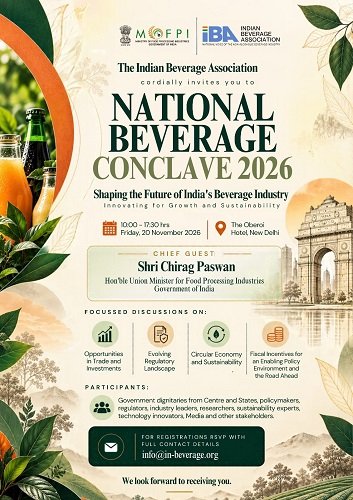
The Indian Beverage Association (IBA) will host the National Beverage Conclave 2026 on Friday, 20th November, at The Oberoi Hotel, New Delhi. The Conclave comes amid structural changes in the country driven by rising incomes, health consciousness, digital commerce and stringent environmental expectations.


IBA National Beverage Conclave 2026


Shri Chirag Paswan, Hon’ble Union Minister for Food Processing Industries, will deliver the keynote address as Chief Guest and outline a roadmap for the Indian non-alcoholic beverage industry, aligned with Viksit Bharat Vision 2047. Shri Avinash Joshi, Secretary, Ministry of Food Processing Industries, will deliver the valedictory address.


The Opening Plenary will feature Shri C.K. Jaipuria, Chairman Jai Beverages Pvt. Ltd.  and President IBA; Shri S.R. Goenka, Chairman and Managing Director, Bengal Beverages and Vice President IBA; and Dr. Gunveena Chadha, Secretary General IBA.


Outlining the significance of the National Beverage Conclave 2026, Shri C.K. Jaipuria, IBA President said, “The beverage sector is undergoing a structural shift, creating both opportunities and challenges. More than ever, we need a collective roadmap that balances growth, consumer trust, innovation, and sustainability. The National Beverage Conclave 2026 is an important step towards building that shared vision with all the stakeholders.”


Programme Highlights and Thematic Sessions

Four thematic sessions will address the growth, investment potential and policy priorities of India’s non-alcoholic ready-to-drink (NARTD) sector.  


The sessions will cover:
 

  • Trade and Investments: The session will discuss the opportunities in trade and investments in consonance with “Make in India,” “Viksit Bharat” and “Atmanirbhar Bharat”.

  • Building Trust through Science: Navigating regulation and promoting science-based policymaking.

  • Earth Matters: Driving circular economy practices, extended producer responsibility, sustainable packaging and water stewardship.

  • Fiscal Incentives: Examining GST reforms, production-linked incentives (PLI) and state-level support for industry growth.


Government officials, leaders and representatives from the beverage industry, think tanks and institutes will participate in the discussions that will deliberate on the future of the industry. 


About IBA

The Indian Beverage Association represents leading non-alcoholic beverage manufacturers operating in India, working collaboratively on sustainability, public health, and industry standards. 

From Shark Tank No-Deal to 30x Growth: Neuro Co-Founder Kent Yoshimura on Raj Shamani's Podcast

Kent Yoshimura, Co-founder and CEO of Neuro, the functional gum and mints brand, sat down with Raj Shamani on Figuring Out (episode 587). He traced how Neuro left US Shark Tank without a deal in 2020, grew 30x from US USD 3M to 100 M in revenue, and went back to become the only brand in the show’s history to land a deal after a no-deal, with KIND founder Daniel Lubetzky. He also shared why India came first as Neuro went global.


Kent Yoshimura, Co-founder and CEO of Neuro with Raj Shamani Figuring Out (episode 587)


From a no-deal to a creator army

Neuro began at UC San Diego, where Kent’s nootropic blends helped co-founder Ryan Chen return to school after a snowboarding accident left him paralysed from the waist down. A scuba trip carrying bags of pills convinced them supplements needed a portable, shareable format. They launched Neuro Gum on Indiegogo in 2015 and hit their goal in three days.


After Shark Tank, creators drove growth. Kent and his head of growth posted on TikTok daily to find the hooks that sold, then handed the winners to about 2,500 creators through a seven-level ladder of commissions, retainers and perks. One top creator made about USD 150,000 in a month.


“How can you get 10 people to love your product? … Virality comes from the word virus,” Kent said.


Fans did the rest: Joe Rogan has mentioned Neuro 40+ times, unpaid; Kim Kardashian has posted about it; and DJ Steve Aoki went from user to investor.


Why India came first

Neuro is now live in several markets outside the US, and India came first, about two years ago. Close diaspora ties carry American trends to India fast, and Neuro already had fans there through Joe Rogan’s podcast and its Chess.com partnership. India is Chess.com’s second-largest member base.


“India wasn’t really on my list of places to launch, but it all just made too much sense,” Kent said, pointing to “A young developing economy, engineers, chess being big there.”


“India has embraced Neuro. Today, Neuro is one of the fastest-growing digital-first consumer brands in India. Adoption has been amazing, but more importantly, we’re seeing fantastic word of mouth and best-in-class repeat rates,” said Sagar Boke, India Business Head, Neuro.


He credits three insights. “We have a generation that wants a 48-hour day, and a generation that is constantly distracted. Neuro gives them clean energy and steady focus in formats they already enjoy. And India loves flavours, so we added iced coffee and cola to peppermint and cinnamon.”


“Our growth has also drawn a wave of young Indian startups into functional gum and mints,” he added.


Key takeaways from the episode

  • Do more, be more. Neuro taps the urge to become a better version of yourself.

  • Make creators partners, not ad slots. Creators act like owners. They move up as they sell and drop a level if they stop.

  • Win small communities first. “Make your backyard look pretty before you make the world look pretty,” Kent said. Neuro favours micro-influencers and small events over big parties.

  • Leverage other brands’ reach. Neuro appears in partners’ ads and gift bags, from deodorant brand Carpe to PDS dental clinics.

  • Define the feeling: approachable, fun and science-backed. “At any given moment, we’re in your pocket so you could be the best version of yourself in that moment,” Kent said.


Watch the episode

Figuring Out with Raj Shamani, episode 587, featuring Kent Yoshimura: youtu.be/n26Q0SA7z5c


About Neuro (neurogumindia.com)

Neuro is a functional gum and mints brand co-founded by Kent Yoshimura and Ryan Chen and launched in 2015, delivering energy and focus in a portable, pleasurable format. In India, the range includes Energy & Focus (caffeine, L-theanine and B vitamins) and Memory & Focus (L-theanine, American ginseng and B vitamins). Neuro is sold in the US and a growing number of international markets, starting with India. 


For more information, visit neurogumindia.com   

Best-Selling Used Cars in Bangalore in 2026: Top Cars That Dominated

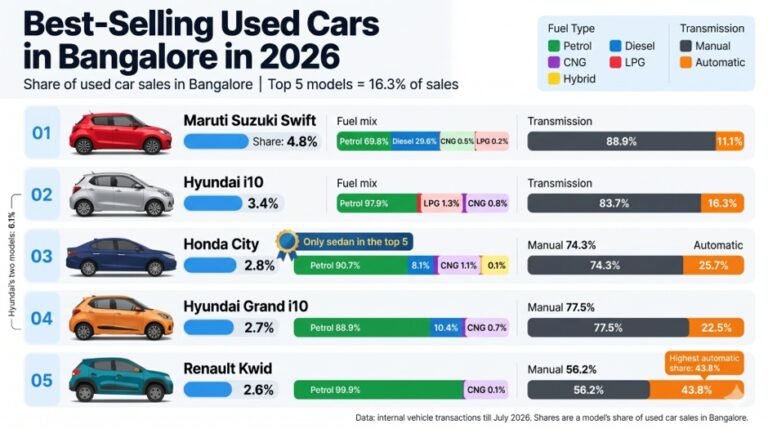
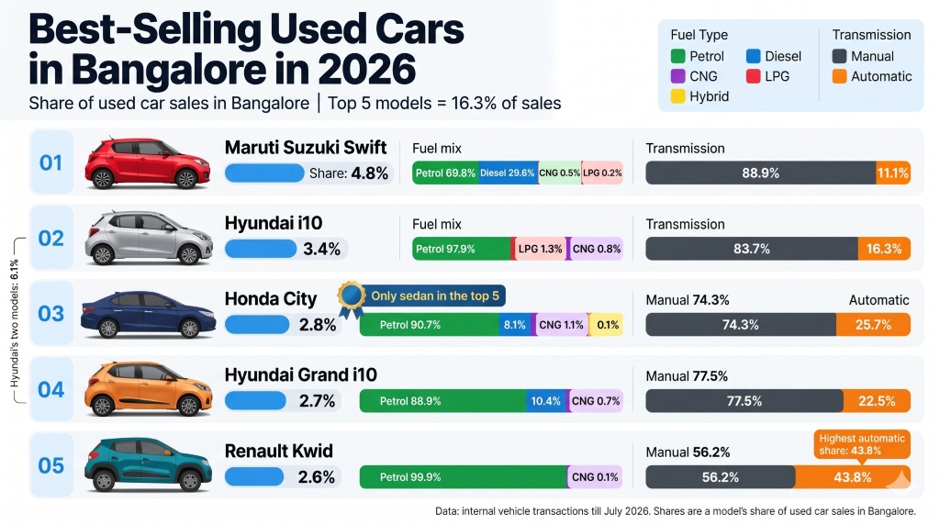
Five models alone account for roughly one in every six used cars sold in Bangalore through one of India’s largest organised resale platforms. The Maruti Suzuki Swift, Hyundai i10, Honda City, Hyundai Grand i10 and Renault Kwid together take 16.3% of sales, and the Swift alone accounts for 4.8%, the largest share of any single model.


Hatchbacks dominate the list, with four of the five models sitting in that body style. The Honda City is the only sedan to make the cut. That suits a city known for heavy traffic, tight parking and long stop-and-go commutes, where a compact footprint and low running costs count for more than a big boot or a bigger engine. The market is also spread out. No single model crosses 5%, so buyers have plenty of options, and no one car runs away with it.


These figures are based on data derived from Cars24’s internal vehicle transactions till July 2026, covering second hand cars in Bangalore. Within that dataset, Hyundai’s two models account for 6.1% of sales, more than the Swift on its own. Petrol leads on every model, and manual transmissions still hold the majority on all five, though the Kwid sits at just 56.2%. All shares below are a model’s share of used car sales in Bangalore.


Best Selling Used Cars in Bangalore in 2026


Maruti Suzuki Swift

The Swift leads the list at 4.8%, well clear of the i10 at 3.4%. Its compact dimensions and sharp handling suit Bangalore’s busy roads, and strong resale value and low maintenance costs have kept it a go-to for city drivers. Fuel choice is the widest on the list, with petrol at 69.8% and diesel at 29.6%, plus CNG at 0.5% and LPG at 0.2%. That diesel share is nearly three times the next highest on the list. Manual variants account for 88.9% of used Swift sales.


Hyundai i10

The i10 holds 3.4%, a strong showing for a car that’s no longer sold new. Its small size is the draw: it slips into tight parking spots, threads through narrow lanes and costs little to maintain, which suits drivers who spend most of their time in dense city traffic. Petrol dominates at 97.9%, followed by LPG at 1.3% and CNG at nearly 0.8%. Automatics make up 16.3% of sales, so 83.7% of buyers chose the manual.


Honda City

The City sits third at 2.8% and is the only sedan in the top five. Buyers are drawn to its premium feel, spacious cabin and refined engine, and that shows in transmission choice: 25.7% of buyers go automatic, the second-highest share on the list after the Kwid. Petrol makes up 90.7% of used City sales, with diesel at 8.1%, CNG at 1.1% and hybrids at 0.14%. Manual still wins at 74.3%. If you like the Honda badge but want a smaller sedan on a tighter budget, a Honda Amaze second hand is a practical alternative, though it sits outside this top five.


Hyundai Grand i10

The Grand i10 sits at 2.7% and often appeals to buyers who like the i10’s footprint but want a roomier, more modern cabin. Petrol leads at 88.9%, with diesel at 10.4% and CNG at 0.69%. Automatic uptake is higher than on the i10, at 22.5%, which makes sense for buyers stepping up from a first car. Manual variants account for the remaining 77.5% of sales.


Renault Kwid

Rounding out the list at 2.6% is the Kwid, the only model here that isn’t from Maruti Suzuki, Hyundai or Honda. Its low price, SUV-inspired styling and small footprint explain much of the appeal. It’s almost entirely a petrol car at nearly 99.9%, with CNG making up the rest. The real story is the gearbox: 43.8% of buyers chose an automatic, by far the highest share of the five, against 56.2% for manual. For drivers who spend hours crawling through traffic, that makes sense.


What do these five cars have in common?

Looked at together, these five are built around low running costs, easy servicing and resale confidence rather than outright features. Petrol leads on every model, and manuals still hold the majority everywhere, but automatic uptake ranges from 11.1% on the Swift to 43.8% on the Kwid, which suggests Bangalore’s traffic is nudging more buyers towards an easier drive. None of these five is chasing novelty, and that’s arguably the point: buyers here are backing cars that have already proven themselves on the city’s roads.

Manipal University Jaipur Celebrates Karnataka Rajyotsava, Showcases Rich Cultural Heritage of Karnataka

Manipal University Jaipur (MUJ), in association with Karnataka Sangha, Jaipur, celebrated Karnataka Rajyotsava with great enthusiasm and cultural fervour on November 15, 2026, at the university campus. The celebration brought together the vibrant Kannadiga community of Jaipur and the university fraternity to showcase the rich cultural heritage, linguistic identity, artistic traditions and values of Karnataka.


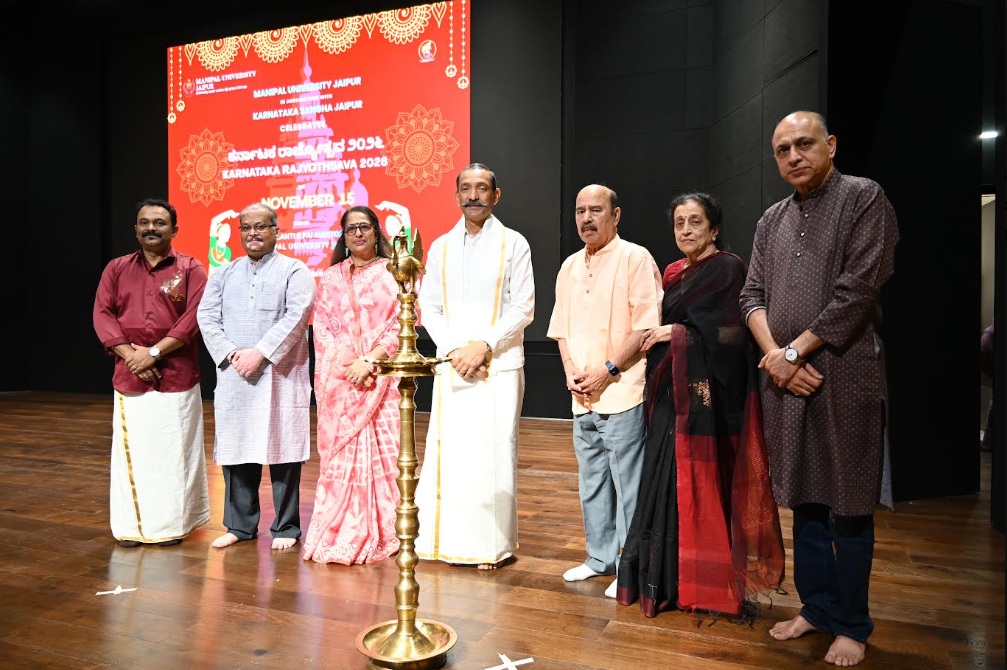
Dignitaries present in the Karnataka Rajyotsava celebration at Manipal University Jaipur


The occasion was graced by Cdr. (Dr.) Anil Rana, Pro-President, Manipal University Jaipur. The event witnessed the participation of the founding members and office bearers of Karnataka Sangha, Jaipur, members of the Kannadiga community and their families, university leadership, faculty members, staff and students.


Addressing the gathering, Cdr. (Dr.) Anil Rana emphasised the importance of staying rooted in one’s cultural heritage while actively contributing to nation-building and enriching the country’s diverse cultural fabric.


The celebration commenced with an inaugural session, setting the tone for an engaging cultural programme dedicated to celebrating Karnataka’s heritage and traditions. The gathering reflected the shared commitment of Manipal University Jaipur and Karnataka Sangha towards preserving and promoting Kannada language, cultural values and traditional art forms, particularly among Kannadigas residing away from their home state.


The highlight of the event was a series of vibrant cultural performances showcasing the diverse artistic traditions of Karnataka. Children, students of Manipal University Jaipur and members of the Kannadiga community from different parts of Jaipur participated enthusiastically, presenting an array of traditional folk performances, music, dance and cultural presentations. The performances offered the audience a glimpse into Karnataka’s rich and diverse cultural landscape while celebrating the artistic talents of participants across generations.


The enthusiastic involvement of children and young students added special significance to the celebration, underlining the importance of introducing younger generations to their mother tongue, cultural roots and traditional values. The event also provided an opportunity for the Kannadiga community to share its cultural heritage with the wider university fraternity and the multicultural community of Jaipur.


Beyond its cultural significance, the celebration served as a platform for strengthening community bonds and nurturing a sense of belonging among Kannadigas living away from Karnataka. It highlighted how language, traditions and cultural identity transcend geographical boundaries and bring people together through shared memories, values and pride in their heritage.


Through this joint initiative, Manipal University Jaipur reiterated its commitment to promoting cultural diversity, inclusiveness and meaningful community engagement. The collaboration with Karnataka Sangha, Jaipur, further strengthened the university’s engagement with the Kannadiga community and reinforced its role as a platform where India’s diverse linguistic and cultural traditions can be celebrated and preserved.


The celebration concluded on a note of cultural pride and togetherness, reflecting the spirit of unity in diversity.


About Manipal University Jaipur

Manipal University Jaipur (MUJ) is one of India’s leading multidisciplinary universities, renowned for academic excellence, innovation, research, and industry-oriented education. Established in 2011 as part of the prestigious Manipal Education and Medical Group (MEMG), MUJ has rapidly emerged as a preferred destination for higher education, offering a vibrant learning ecosystem that nurtures knowledge, creativity, leadership, and entrepreneurship.


Accredited with an A+ Grade by NAAC, MUJ offers a wide spectrum of undergraduate, postgraduate, doctoral, and professional programmes across Engineering, Management, Law, Design, Architecture, Commerce, Arts, Science, Humanities, Journalism, and Allied Health Sciences. The University places strong emphasis on experiential learning, interdisciplinary education, research excellence, innovation, and global engagement.


Spread across a modern, fully residential campus in Jaipur, Rajasthan, MUJ provides world-class infrastructure, advanced laboratories, smart classrooms, innovation and incubation centres, sports facilities, libraries, and student activity spaces that foster academic and personal growth. The University maintains strong collaborations with leading national and international universities, research organisations, and industry partners, enabling students to benefit from global exposure, internships, collaborative research, and excellent career opportunities.


With a vibrant student community representing almost every state and union territory of India, along with several international students, MUJ promotes diversity, inclusivity, and cultural exchange. Through its commitment to quality education, impactful research, sustainability, and social responsibility, Manipal University Jaipur continues to empower future-ready professionals and responsible global citizens.


For more details, please visit the official website of Manipal University Jaipur: jaipur.manipal.edu

JCI Names the 2026 Ten Outstanding Young Persons of the World

Junior Chamber International (JCI) has named the 2026 Ten Outstanding Young Persons (TOYP) of the World. The ten honorees, from Japan, Malaysia, Nigeria, Syria, Tunisia, the USA and Venezuela, were announced at a press conference held during the 2026 JCI World Congress at the Marriott Hotel in Clark.
 

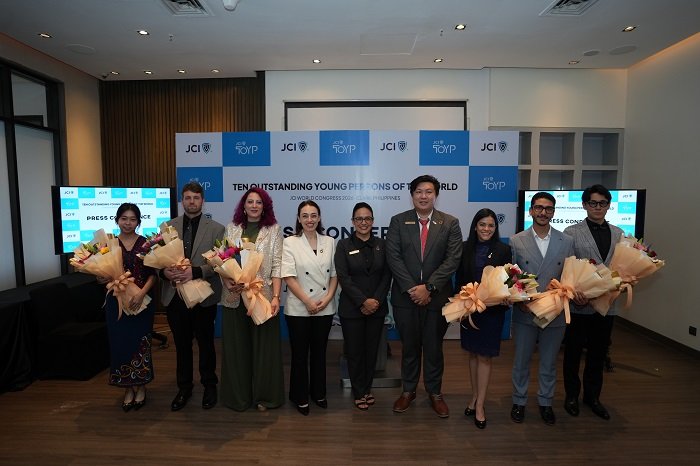
The 2026 JCI Ten Outstanding Young Persons of the World honorees with 2026 JCI President Alejandra Castillo, 2027 JCI President Nihal Zoroglu and JCI Secretary General Elvin Teo at the 2026 JCI World Congress in Clark, Philippines
 

All under 40, the honorees were selected from nominations worldwide. Their work spans medicine, education, culture, science and children’s rights.

At the press conference, the honorees shared their personal stories and goals, encouraging young people to pursue excellence in their careers and public service.

“JCI exists to help young people create positive change. These ten honorees show what that looks like worldwide,” said Alejandra Castillo, 2026 JCI President.
 

The Judging Panel

The international judging panel included:

  • Alejandra Castillo, 2026 JCI President

  • Ami Dar, Founder and Executive Director, Idealist.org

  • Shannon Kobran, Head of Education and Training, UN Sustainable Development Solutions Network


The 2026 JCI TOYP World Honorees

#

Name

Country

Category

1

Emna Mizouni

Tunisia

Cultural Achievement

2

Linda Montilla-Celis

Venezuela

Academic Leadership

3

Ehab Badwi

Syria

Children, Peace and Human Rights

4

Khadija Maalej

Tunisia

Children, Peace and Human Rights

5

Tatsuro Hoshino

Japan

Children, Peace and Human Rights

6

Summer Okibe

Nigeria

Children, Peace and Human Rights

7

Michelle Tiong

Malaysia

Academic Leadership

8

Yassine Belghith

Tunisia

Medical Innovation

9

Kenneth Smith

USA

Scientific and Technological Development

10

Muzoon Almellehan

Syria

Children, Peace and Human Rights

Junior Chamber International (JCI)
A global membership organization of active young citizens aged 18 to 40 who are dedicated to creating positive change in their communities. Through leadership development, entrepreneurship and community projects, JCI empowers young people to solve local challenges and make a global impact.

Learn more at jci.cc.

JCI TOYP
Launched in 1983, it recognizes young people under 40 who excel in their fields and serve their communities. National programs run by JCI member organizations have honored John F. Kennedy, Gerald Ford, Elvis Presley and Jackie Chan.