Home Blog Page 13

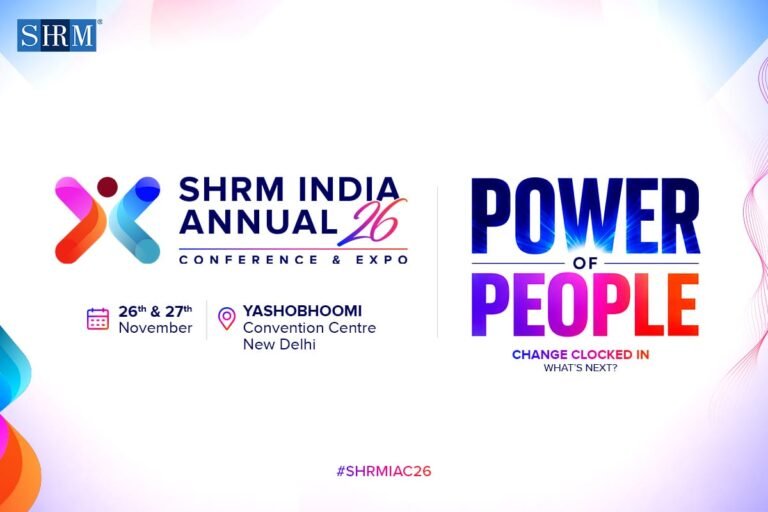
SHRM India Announces its Annual Conference & Expo, Themed Power of People: Change Clocked In. What's Next?

SHRM India today announced the speakers of SHRM India Annual Conference & Expo 2026, themed Power of People, scheduled for 26–27 November 2026 at the Yashobhoomi Convention Centre, New Delhi. Now in its 15th edition, #SHRMIAC26 is convening global and Indian thought leaders, CEOs, CHROs, policymakers and innovators to decode the future of work, leadership and human potential.
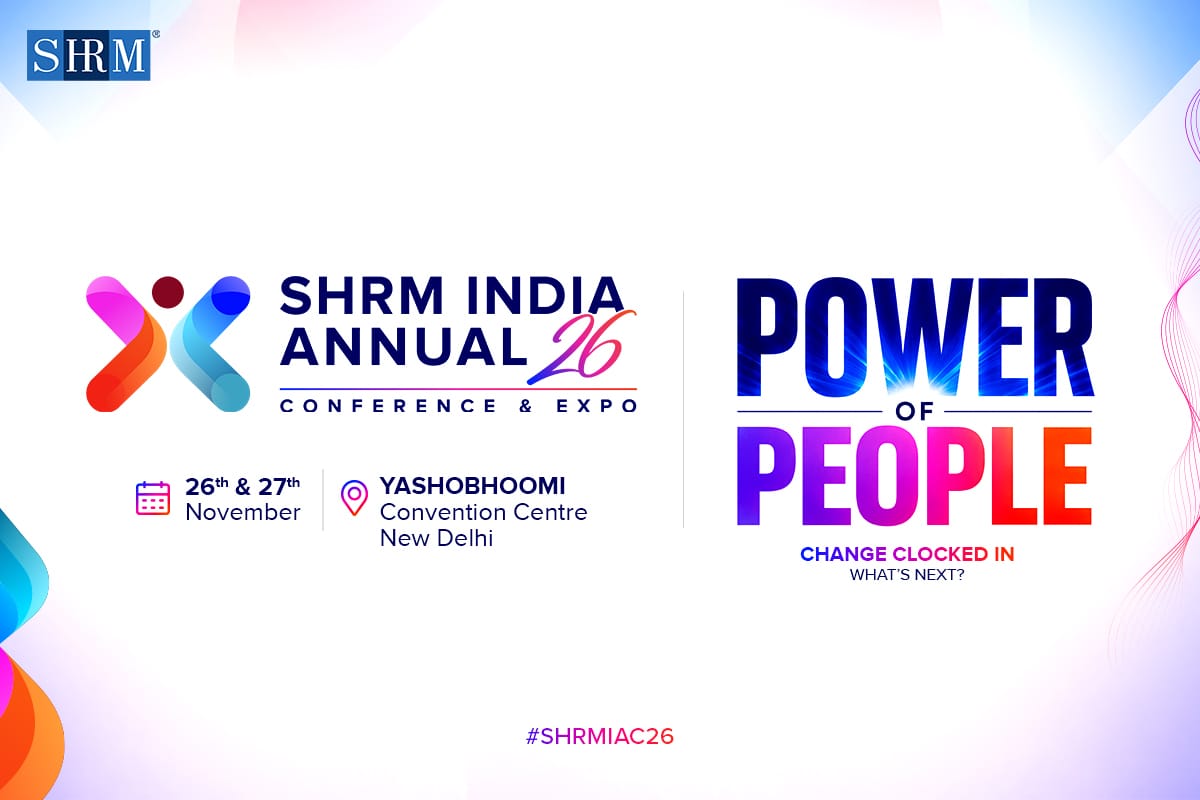
 

SHRM India unveils the distinguished speaker lineup for its 15th Annual Conference & Expo 2026, themed ‘Power of People’, on 26–27 November at Yashobhoomi, New Delhi


The two-day conference will bring together 2,500+ HR professionals, 500+ CXOs and 150+ global speakers across 80+ knowledge sessions and 15 hours of learning, with delegates eligible for up to 15 SHRM Professional Development Credits (PDCs).


Achal Khanna, CEO – SHRM APAC & MENA said, “Technology is changing how we work, but people will determine what comes next. The Power of People is a call to build organisations where people lead transformation, AI amplifies human capability and culture drives performance. As work changes faster than ever, #SHRMIAC26 is where leaders come together to ask what’s next and to act on it.”


The conference will feature dignitaries, visionaries, and business leaders, including Vineet Nayar, Founder & Chairman, Sampark Foundation & Former CEO, HCL Technologies; Santosh Iyer, MD & CEO, Mercedes-Benz India; Alexander Alonso, Ph.D., SHRM-SCP, Chief Knowledge Officer, SHRM; Shiv, Operating Partner, Advent Private Equity & Chair of SHRM India Conferences & Council; Ambassador Ajay Bisaria, Former High Commissioner of India to Canada & Pakistan; Richard Rekhy, Vice Chair, Grant Thornton Bharat & Former CEO, KPMG in India; Navya Naveli Nanda, Founder, Project Naveli & Co-Founder, Nimaya Foundation; and Manoj Kohli, Global Business Advisor & Former CEO & MD, Bharti Airtel, along with many more influential voices from industry, including CHROs, academicians, technology experts and policy strategists.


They will be joined by Rasmi Ranjan Ray, CEO, SUEZ India; Rahul Mithal, Chairman & MD & CEO, RITES; Prof. Pulak Ghosh, IIM Bangalore and Member, Prime Minister’s Economic Advisory Council and 8th Pay Commission, as well as CHROs and people leaders from organisations including PepsiCo, Maruti Suzuki, Ashok Leyland, Apollo Tyres, Motilal Oswal, L&T Technology Services, Jindal Stainless and Coromandel International.


What’s New At #SHRMIAC26

Academia Pavilion: A new concept introduced this year, the Academia Pavilion creates a dedicated space where leading academic institutions engage directly with CHROs, talent acquisition and L&D leaders, campus recruiters and business decision-makers. Institutions will showcase programmes, research, faculty expertise and innovation, and open conversations on executive education, corporate learning, consulting and industry–academia collaboration. Premier Academia Partners include IBA, IIM Bodhgaya, PIBM and XLRI.


PSE Pavilion: A distinct addition to this year’s conference rather than simply another exhibition space, the PSE Pavilion is a dedicated platform for India’s Public Sector Enterprises, recognising their significant role in workforce development, people management and organisational growth. It will showcase progressive HR practices, leadership development initiatives and workforce transformation efforts across the public sector, while encouraging knowledge exchange between public and private sector leaders. The aim is to highlight the scale, impact and evolving people practices of India’s PSEs and bring their contributions into the broader HR and business leadership conversation. Public sector leadership is also strongly represented across the programme, with HR directors from GAIL, BPCL, NHPC, Oil India, ONGC and NMDC on the speaker lineup, a PSE Felicitation on Day 1, and a dedicated PSEs track in the SHRM HR Excellence Awards.


Coach Date: A new initiative for registered delegates, Coach Date offers a focused 15-minute one-on-one conversation with an industry leader. Delegates share their professional profile, preferred coach and the challenge they want guidance on; the team shortlists up to four coachees per coach, and confirmed delegates receive their coach, time slot and venue details ahead of the session.


“Our new initiatives – the Academia Pavilion, CEO Dialogue, unified PSE platform and CoachDate – will focus on strengthening industry-academia collaboration, fostering leadership dialogue, bringing public sector enterprises together and enabling personalised coaching conversations to drive collective impact,” said Surajit Bit, Senior Director – Operations & People Engagement, SHRM India, APAC & MENA.


Programme at a glance

The agenda is organised around four content tracks: Talent Alchemy, Next-Generation Leadership, Innovation & Future of Work, and Culture & Connection, delivered through keynotes, CHRO panels, CEOs in Conversation, Big Debates, breakouts, workshops, masterclasses and Action Accelerator sessions.


Highlights include the opening keynote, Humans First, Machines Second: Leading People in the Age of AI; a Candid Exchange on AI + HR with leaders from SAP SuccessFactors and Lupin; CHRO Panels on People. Power. Pivot. and the Power of People in the Age of AI; The Great Recruitment Debate: Is AI Making Hiring Worse?; Big Debates on culture fit and pedigree and on equal opportunity versus differentiated investment; Think Forward, where the heads of IIM Bodhgaya, XLRI and IIM Visakhapatnam define industry expectations from academia; The Viewpoint on India’s GCC advantage; Alexander Alonso’s Reverse Keynote, The Workforce Reset; Candid Exchanges with Ambassador Ajay Bisaria and Navya Naveli Nanda; Celebrity Up Close with Raj Nayak; and the SHRM HR Excellence Awards.


#SHRMIAC26 is supported by Edenred, LinkedIn, and SalarySe as Strategic Partners; Ripple Hire, UKG and SAP
Headline Partners and Advantage Club, ThreeFish Consulting, and ZingHR as Diamond Partners, with CNBC-TV18 as media partner.


For more details, visit: www.shrmconference.org/iac


About SHRM India

SHRM India empowers people and workplaces by advancing HR practices and maximizing human potential. For [20+] years, we’ve partnered with multinational and high-growth Indian enterprises, including Fortune 500 companies, to build a world of work that works for all.


As the India arm of the world’s largest HR association, we bring global standards and local insight together across a full portfolio: SHRM Consulting (culture, leadership, org design, HR transformation, I&D), corporate training & academies, professional certification (SHRM-CP/SHRM-SCP), membership, and flagship events & conferences including the SHRM India Annual Conference & Expo and SHRM TECH. With offices in Gurugram (HQ), Bengaluru, Chennai, and Hyderabad, SHRM India is a trusted authority on all things work, researcher, advocate, and thought partner, helping leaders create better workplaces where employers and employees thrive together.

Shree Niketan Group of Schools Launches 'Get Back Into The Conversation' Campaign for Children's Day

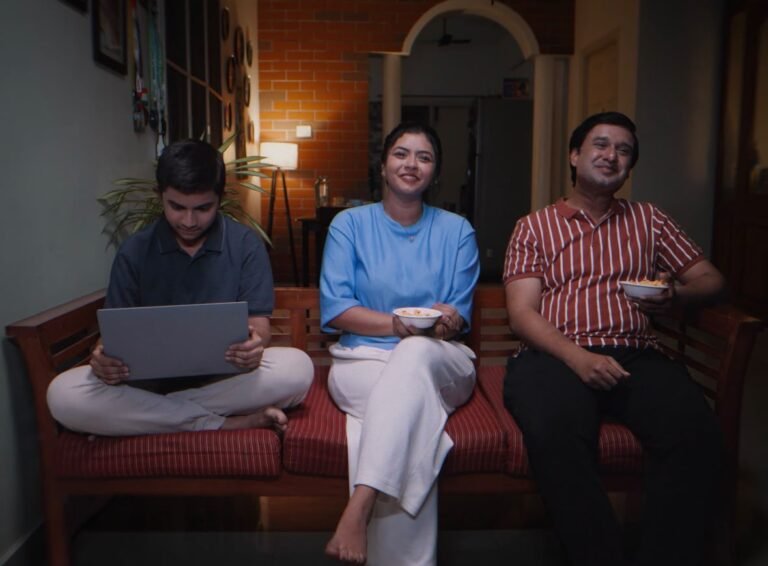
Shree Niketan Group of Schools launched its Children’s Day campaign, ‘Get Back Into The Conversation’, on November 7, 2026, to highlight the importance of meaningful parent-child communication in an increasingly AI-driven and digitally connected world. Underscoring the relevance of this concern, the vivo Switch Off Study 2025 found that one in four children said they speak to their parents less because of AI. Released on November 10, the campaign’s hero film encourages parents to look beyond digital distractions, take a genuine interest in their children’s lives and rediscover the value of everyday conversations in strengthening family relationships.


1 in 4 children said they now speak to their parents less because of AI


Speaking on the campaign, Mr. Bharaneedharan Mohan, Chief Operating Officer, Shree Niketan Group of Schools, said, “Technology and AI are transforming the way children learn, communicate and engage with the world around them. While these developments open up exciting possibilities, we must also recognise that no technology can replace the warmth, understanding and reassurance that come from human relationships. As parents, it is important that we remain genuinely involved in our children’s lives, take an interest in their thoughts and experiences, and create spaces where they feel comfortable expressing themselves. Through our ‘Get Back Into The Conversation’ campaign, we hope to remind parents that sometimes the most meaningful thing they can give their children is their time, attention and an open conversation.”


The Campaign

At the heart of the campaign is a thought-provoking question: “When AI becomes easier to talk to, how do we keep talking to each other?”

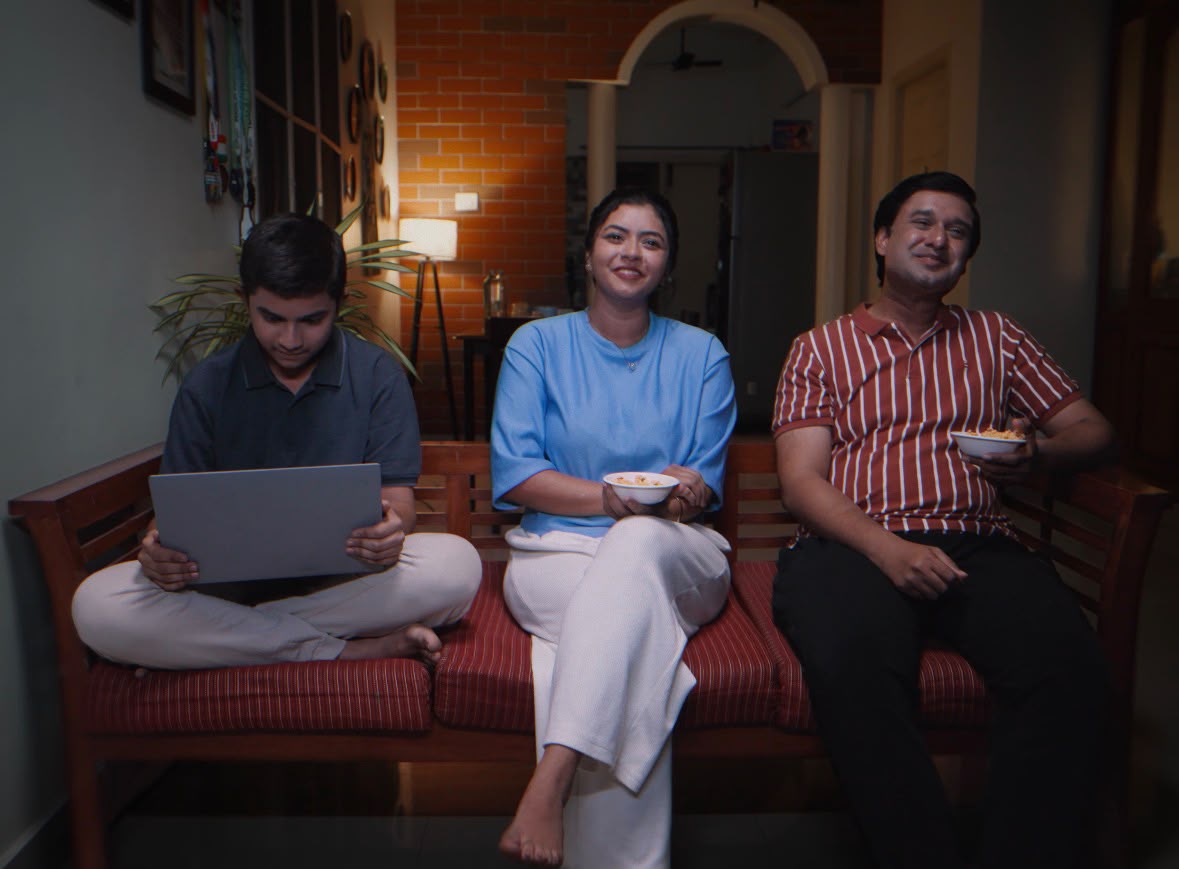
The campaign’s hero film brings this concern to life through observational humour, following Raghu, a teenager who becomes increasingly inseparable from his laptop, incorporating it into almost every aspect of his daily routine. As his parents gradually realise that he is interacting with AI almost as though it were a close companion, they are prompted to reflect on the changing dynamics of communication within their family.


Extending the campaign beyond the hero film, Shree Niketan Group of Schools is also creating a series of supporting videos that highlight simple, practical ways in which parents can get back into conversations with their children. Through relatable ideas and everyday examples, the videos will offer parents suggestions on how to initiate conversations, engage with their children’s interests and create opportunities for open communication. This supporting content will be shared on the school’s official Instagram page, extending the campaign’s message and encouraging parents to put it into practice in their daily lives.


Through the #GetBackIntoTheConversation campaign, Shree Niketan Group of Schools advocates a balanced approach to technology, where digital tools complement rather than replace human connections. It reinforces the importance of parental involvement in nurturing trust, emotional well-being and a sense of belonging during a child’s formative years.


The initiative reflects Shree Niketan’s belief that a child’s growth and development extend beyond the classroom, with family engagement and supportive relationships playing an equally important role in shaping confident, curious and well-rounded individuals.


Campaign Film: Watch ‘Get Back Into The Conversation’

Instagram: @ShreeNiketanSchools

Research Report: Vivo – The Impact of Excessive Smartphone Usage on Parent-Child Relationships (2025)

vivonewsroom.b-cdn.net/wp-content/uploads/2025/12/impact-of-smartphones-on-parent-child-relationships-2025.pdf


About Shree Niketan Group of Schools

Indian Roots; Global Outlook is at the heart of Shree Niketan Schools’ educational philosophy. The school believes that children with a strong foundation in their cultural heritage can reach unprecedented heights in a global future. At Shree Niketan, India’s rich legacy of values, traditions and knowledge is brought into the context of a rapidly globalising world. Respect, prayer, festivals, family and the celebration of India’s diversity are viewed not merely as cultural practices, but as opportunities to nurture empathy, leadership, collaboration and a strong sense of identity.


With a vision to nurture students who are deeply connected to their Indian roots while being intellectually and emotionally equipped to thrive on the world stage, Shree Niketan Schools continues to build an education that prepares children for both where they come from and where the world is going.


Today, Shree Niketan Schools is a growing community of over 700 staff members and 12,000 children across five campuses, with a presence in Thiruvallur, Tambaram East, Tambaram West and Nolambur.

Transform Bharat Summit 2026: A National Convergence to Shape the Bharat of Tomorrow

Organised by MaitriBodh Parivaar, a socio-spiritual organisation established in 2013, the summit is an expression of a larger commitment to nation-building through selfless service, community empowerment and collective transformation. It forms an integral part of the 8th annual Global Maitri Festival celebrations, a platform that brings together the spirit of giving back to society – seva, the essence of our existence – sanskriti and the need of the hour – maitri bhaav. The festival has received support from the Ministry of Culture and the Ministry of AYUSH, Government of India, reflecting institutional engagement with its broader themes and initiatives.
 

At the heart of this vision is Maitreya Dadashreeji, Founder of MaitriBodh Parivaar and the guiding force behind the Global Maitri Festival and Transform Bharat Summit. A global humanitarian and transformation pioneer, Maitreya Dadashreeji has dedicated over a decade to advancing the vision of One World, One Family, inspiring individuals and communities to channelize their capabilities towards the larger good of humanity and the nation.
 

The summit reflects a fundamental belief: nation-building is not the responsibility of governments and institutions alone. It is a collective responsibility that calls for conscious citizens, empowered communities, responsible leadership and, above all, an inspired youth.
 

In an increasingly complex world, young people are navigating a rapidly changing social environment characterized by competing narratives, information overload, polarized opinions and growing uncertainty about their direction and purpose. While India’s demographic strength presents an extraordinary opportunity, empowering young people with clarity, purpose, values and an inner sense of direction is equally important. The Transform Bharat Summit places youth at the centre of this national vision. It seeks to move beyond conversations about youth participation and create pathways for young people to become active contributors to India’s development. The larger vision is to nurture a generation that is not merely prepared for the future but is equipped to shape it. A monumental youth-focused initiative, envisioned to provide young minds with guidance, direction and a stronger foundation for personal and collective transformation, will also be unveiled at the summit. 
 

Five thematic pathways for a transformed Bharat
 

  • Pathway to Holistic Wellbeing – Chinta Mukt Bharat 2032

  • Creative Economy for National Development – Maitri Cultural Economy Summit

  • Yuva Parivartan – Empowering the Next Generation

  • Pathway to Rural Transformation – Maitri Adarsh Gram

  • Global Peace Panel – Making Peace a Reality


Among the eminent dignitaries associated with the summit are:
 

  • Shri Gulab Chand Kataria, Hon’ble Governor of Punjab.

  • Shri Gajendra Singh Shekhawat, Hon’ble Union Minister of Culture and Hon’ble Union Minister of Tourism.

  • Shri Prataprao Jadhav, Hon’ble Minister of State (Independent Charge), Ministry of AYUSH, and Minister of State, Ministry of Health and Family Welfare.

  • Dr. Mansukh Mandaviya, Hon’ble Union Minister of Youth Affairs and Sports and Hon’ble Union Minister of Labour and Employment.

  • H.E. Prof. Anil Sooklal, High Commissioner of the Republic of South Africa to India.

  • Dr. Deepak Raheja, Senior Psychiatrist and Director, Hope Care India, New Delhi; President, Indian Association of Private Psychiatry (IAPP), Delhi Chapter.

  • Prof. (Dr.) Nimesh G. Desai, Senior Consultant Psychiatrist and Public Mental Health Expert; Former Director, Institute of Human Behaviour & Allied Sciences, New Delhi.

  • Kaivalya Kashyap, President, International Spiritual Council for Transforming Humanity (ISCTH).

  • Smt. Prajwal Busta, National Executive Member, Bharatiya Janata Yuva Morcha (BJYM); Former Spokesperson, BJP Himachal Pradesh.


The diverse representation reflects the summit’s intent to facilitate meaningful cross-sectoral conversations, bringing together varied expertise and perspectives to develop a shared roadmap for the nation’s future.
 

The eighth edition of the Global Maitri Festival marks another milestone in MaitriBodh Parivaar’s continuing commitment to social transformation and nation-building. The organisation’s work is guided by the principle that meaningful national progress begins when individuals move beyond personal aspirations and contribute to the wellbeing of others and society at large. Hosted at the Pradhan Mantri Sangrahalaya, a venue that celebrates India’s democratic journey and the contributions of its leadership, the Transform Bharat Summit 2026 seeks to make one message resonate strongly: the future of Bharat will be shaped by collective action, conscious leadership and empowered citizens.
 

Because transforming Bharat is not just a vision to be discussed. It is a responsibility to be lived, a commitment to be shared and a movement to be carried forward by every generation.

TVS Motor Company Reinforces its Commitment to Europe at EICMA 2026

Singapore | Milan

  • Four production-ready models, the TVS Orbiter, TVS M1-S, TVS X and TVS RTR 125, presented to European customers, dealers and media in Milan

  • Dedicated engineering facilities, a strengthened retail network and products developed for local customer needs support TVS Motor’s long-term success in Europe

  • For the first time at EICMA, hundreds of visitors experienced the TVS Motor range through test rides
     

TVS Motor Company, the world’s third-largest two-wheeler manufacturer, has reinforced its commitment to Europe as a strategic market at EICMA 2026 in Milan, where it presented four production-ready models developed for European customers. For the first time at EICMA, TVS Motor also gave hundreds of visitors the chance to test ride its range.
 

82 Series Collection
 

Europe plays an increasingly important role in TVS Motor’s international business as the company continues to strengthen its presence in developed markets. This strategy reflects the company’s objective to increase the contribution of international business to its overall revenue, with the potential to reach 40% by 2030.


Peyman Kargar, President, International Business, TVS Motor Company, said, “Europe is an important market for TVS Motor and a key part of our international growth plans. We see significant opportunities across electric mobility, performance motorcycles and premium urban transportation. Success in these markets requires more than a competitive product. It requires a deep understanding of customer needs, strong local execution and a robust distribution and service network. Over the past year, we have focused on strengthening our distribution footprint, developing our dealer and service capabilities and preparing a portfolio suited to European riding needs. As we continue to strengthen our presence in Europe, our focus is on expanding customer access to the TVS brand, deepening customer engagement and delivering products that combine quality, technology and customer experience.”


Peyman Kargar, who has more than three decades of international automotive leadership experience, has been appointed Director and Chief Executive Officer of TVS Motor Company, effective January 27, 2027. He will succeed K. N. Radhakrishnan.


A growing network

TVS Motor’s Italian network now counts more than 100 retailers, and sales in Italy have grown by 110 per cent over the past year. A further 22 retailers are operating in Spain and Portugal, with France and Germany next. The RTX 300, introduced at EICMA 2025, is scheduled to reach European dealerships.


Four models for European riders

Three of the four models are electric. The Orbiter is a city scooter with a choice of two removable batteries. With a top speed of 105 km/h and room for a full-face helmet under the seat, the M1-S brings an electric powertrain to the maxi-scooter segment. At the top of the range sits the TVS X, with a 10.2-inch touchscreen and its own LTE connection.


The TVS RTR 125 is built for A1 licence holders. It gives younger and first-time riders an entry point to TVS Motor’s motorcycle portfolio in Europe, which also includes the RR 310, RTR 310, Ronin and RTX 300.


First test rides at EICMA

EICMA 2026 was the first time TVS Motor offered test rides at the show. Hundreds of visitors rode TVS Motor models over the course of the event, experiencing the range for themselves rather than only seeing it on the stand.


Racing since 1982

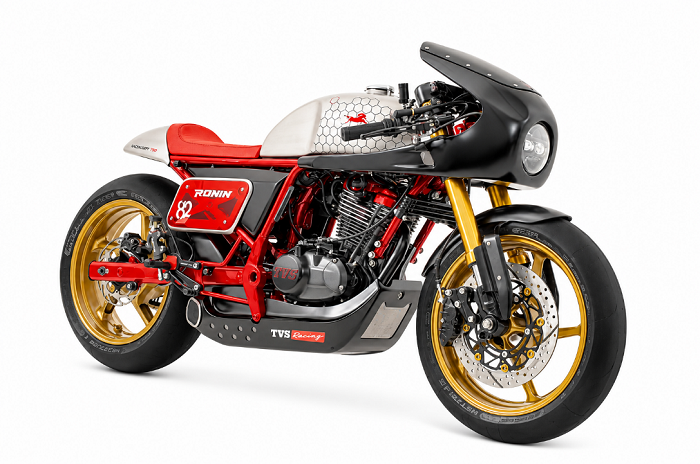
TVS Motor also gave the ’82 Series Collection its first global showing in Milan: four one-off concept motorcycles developed as a tribute to the company’s racing heritage. The ’82 Series Collection celebrates TVS Racing’s contribution to the company’s engineering philosophy and its commitment to transferring learning from motorsport into products for everyday riders.


’82 Series RR 310: Directly inspired by TVS Motor’s racing successes with TVS Racing, the TVS RR 310 is a sports bike that wears its competition roots openly.

’82 Series RTR 310: A roadster with cornering ABS, traction control and wheelie control from a single six-axis IMU.

’82 Series RTX 300: An adventure bike for exploration, as capable off the beaten track as it is welcoming on the road.

’82 Series Ronin 250: An accessible neo-retro that blends scrambler and roadster influences, combining classic looks with urban agility.
 

The four bikes are concept builds, shown for display only.


Images: ’82 Series Collection: f.io/Etab-m6D


About TVS Motor Company

TVS Motor Company (BSE:532343 and NSE: TVSMOTOR), part of TVS VENU, is a reputed two and three-wheeler manufacturer globally, championing progress through sustainable mobility. Rooted in our 100-year legacy of trust, value, and passion for customers, it takes pride in making internationally accepted products of the highest quality through innovative and sustainable processes. TVS Motor is the only two-wheeler company to have won the prestigious Deming Prize. Our products lead in their respective categories in the J.D. Power IQS and APEAL surveys. We have been ranked No. 1 Company in the J.D. Power Customer Service Satisfaction Survey for four consecutive years. Our group company Norton Motorcycles, based in the United Kingdom, is one of the most emotive motorcycle brands in the world. TVS Motor Company endeavours to deliver the most superior customer experience across 90 countries in which we operate.


Website:

www.tvsmotor.com

Facebook:

www.facebook.com/tvsmotorcompany/

Instagram:

www.instagram.com/tvsmotorcompany

LinkedIn:

in.linkedin.com/company/tvs-motor-campany

WazirX on Crypto's Inflation, ETF and Nvidia Headwinds

Crypto markets weakened over the week as inflation concerns, rising bond yields and sustained ETF withdrawals outweighed early support from recovering equities and lower energy prices. In the supplied weekly snapshot, Bitcoin fell approximately 5.5%, from USD 74,979 to USD 70,880, while Ethereum declined around 5.4%, from USD 2,124 to USD 2,010. Both approached important support regions, with stretched selling momentum creating scope for temporary rebounds but offering no confirmation of a sustained recovery.


The macro environment remains restrictive. US inflation rose 0.4% month-on-month, while firm employment reinforced expectations that interest rates could remain elevated or rise further. The supplied figures showed the US 10-year Treasury yield moving from approximately 4.88% to above 5.1%.


Nvidia and US technology stocks add another source of volatility

Nvidia added to market uncertainty following Jensen Huang’s resignation and the appointment of Chief Financial Officer Colette Kress as interim CEO. Its shares fell approximately 11% over the week through Thursday, 12 November, leaving them more than 30% below their October peak.


Thursday’s trading showed a more mixed picture across technology stocks. Nvidia fell as much as 14% during the session before recovering to close 4.3% lower. AMD gained 5.9% and Broadcom rose 5.5%, while the Nasdaq Composite finished down 0.39%. These divergent moves suggest some rotation towards competing chipmakers.


Nvidia recovered part of its intraday losses, while competing chipmakers attracted buying and Asian technology shares subsequently rebounded. This suggests some capital was rotating within equities rather than leaving growth assets altogether. Nvidia’s partial recovery offers some reassurance, but does not establish that selling pressure has ended. A steadier Nasdaq could help crypto sentiment.


Rajagopal Menon, VP, WazirX, said, “The Futures risk is getting the direction right but being forced out before the move plays out. Sharp reversals can trigger liquidations on both sides. Traders should size positions around the loss they can absorb, keep leverage manageable and allow for slippage when markets move quickly.”


ETF withdrawals continue to weaken demand

US spot Bitcoin ETFs recorded approximately USD 300 million in withdrawals on Wednesday, extending their outflow streak to five sessions and bringing cumulative withdrawals over that period to around USD 1.44 billion. Nearly USD 270 million of Wednesday’s outflows came from BlackRock’s IBIT. Separately, industry data shows approximately USD 424 million leaving Ethereum ETFs across four reported sessions.


Levels and signals to watch

Bitcoin’s indicative support lies at 70,500, followed by 69,000. Reclaiming 73,000 would improve its short-term structure. Ethereum’s support sits at 2,000, with resistance at 2,120, followed by USD 2,150.


The RSI reads near 29 for Bitcoin and 28 for Ethereum, and indicates stretched selling momentum, but oversold conditions can persist. Futures traders should assess spot volume, open interest and funding together: rising open interest alone may reflect additional leverage rather than stronger underlying demand. Investors should keep exposure manageable and avoid interpreting a support test or a technology-stock rebound as sufficient evidence that the decline has ended.

8x More International Card Fraud Stopped: Early Results from Razorpay's Vulcan AI Payments Model

Since announcing Vulcan, its transformer-based foundation model for payments, Razorpay is sharing what the model has delivered on live transactions. Vulcan was trained on about 3 trillion data points across 4 billion payments and built with NVIDIA and AWS.


What merchants are seeing

Components of the model have been running on Razorpay’s network, informing routing, fraud, and risk decisions in real time. Businesses using them, including Blinkit, Bachatt and redBus, have reported:


  • 8-10% improvement in payment success rates

  • ⁠⁠8x more international card fraud detected and stopped

  • ⁠⁠5x more fraudulent or disputed transactions identified, without increasing the number of alerts

  • ⁠⁠40% more shoppers see their preferred UPI app on Razorpay Magic Checkout, helping complete 1-2 lakh more purchases every month


Why one model makes the difference

By analysing payment patterns across merchants, payment methods, issuers and gateways, Vulcan can draw on a wider set of transaction signals to make more informed routing and fraud detection decisions. This allows the model to identify patterns that may not be visible when individual payment decisions are assessed in isolation.


India’s payments landscape is unlike any other: a single purchase can be processed via UPI, cards, net banking, wallets or Cash on Delivery across hundreds of banks and gateways. Take Meera, buying running shoes for ₹2,400 at 9 pm: she taps “Pay” and sees “Payment unsuccessful. Please try again.” Her card, bank and money are all fine – her payment simply had several possible routes, and one was briefly the wrong choice at that moment.


Traditionally, the industry has tackled these challenges using separate, specialised models – one each for routing, fraud, risk and checkout – that don’t share signals, even though the same information can be useful across all these decisions. Vulcan brings these capabilities together, learning from roughly 3,000 signals per transaction across merchants, payment methods, issuers and gateways.


That lets it route each payment down the healthiest path before it is attempted. It can also flag a card used across unrelated sellers and warn merchants about risky Cash on Delivery orders before checkout.


These capabilities matter most to first-time and small-town shoppers, for whom one failed payment can mean going back to cash. Razorpay’s internal study of 1.5 million shoppers and 51,000+ businesses found the same friction, from failed transactions to drop-offs and delays, in metros and small towns alike.


What’s next

Razorpay sees Vulcan as the starting point, not the destination. The company plans to extend the model across more parts of the payment journey, from authentication and routing to fraud detection and lending, with the aim of creating a continuously learning intelligence layer that improves with every transaction.


With India’s e-commerce market projected to reach $350 billion by 2030, Razorpay believes that making digital payments more reliable, secure and intelligent will be critical to supporting the next phase of growth. The ambition is not just to make individual transactions work better, but to build a payments ecosystem where every transaction makes the next one smarter.


About Razorpay

Razorpay, an omnichannel payments platform for businesses, strives to help Indian businesses with innovative solutions built with technology to address the payment and banking journey for businesses. Established in 2014 by alumni of IIT Roorkee, Shashank Kumar and Harshil Mathur, the company strives to provide technology payment solutions to many businesses. A few angel investors have also invested in Razorpay’s mission to simplify payments and business banking.

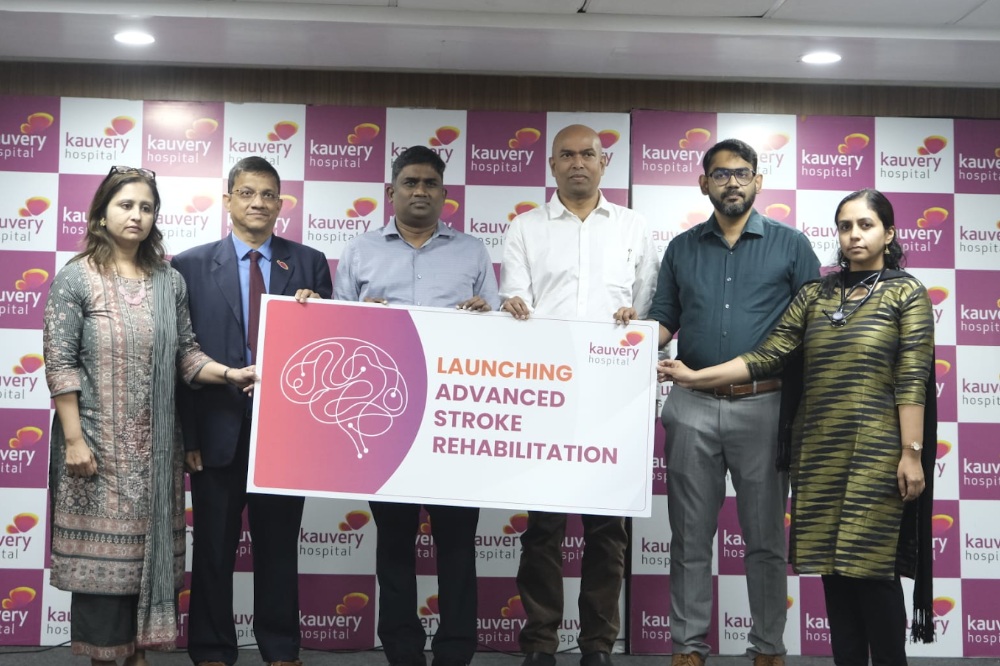
Kauvery Hospital Alwarpet Strengthens Stroke Rehabilitation with Advanced Robotic and Technology-Assisted Rehabilitation Systems

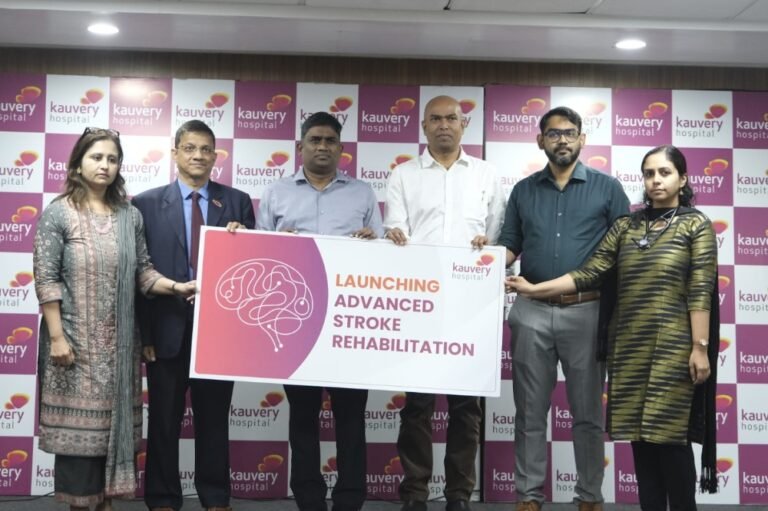
Recognising that stroke recovery extends well beyond emergency treatment and medical stabilisation, Kauvery Hospital, Alwarpet, is strengthening its rehabilitation services with the introduction of advanced robotic and technology-assisted rehabilitation systems. This initiative aims to provide a structured, comprehensive and patient-centred approach to stroke rehabilitation, helping patients work towards regaining movement, improving functional abilities and achieving greater independence in everyday activities.


Kauvery Hospital Alwarpet Strengthens Stroke Rehabilitation with Advanced Robotic and Technology-Assisted Rehabilitation Systems


Kauvery Hospital has a dedicated 24/7 Stroke Care Unit, supported by a multidisciplinary team of specialists and trained healthcare professionals to manage stroke patients through different stages of care. The team includes stroke medicine specialists, interventional radiologists, neurosurgeons and Rapid Neuro ICU intensivists, working in coordination to provide timely assessment, appropriate treatment and critical care when required. The dedicated stroke unit is supported by trained nursing staff and advanced medical equipment to facilitate comprehensive stroke management. From emergency evaluation and acute intervention to critical care and subsequent rehabilitation, this integrated approach aims to ensure continuity of care throughout the patient’s journey. By introducing Stroke Rehabilitation, the hospital will provide care beyond treatment.


Speaking about the importance of rehabilitation in stroke care, Dr. Sivarajan Thandeswaran, Senior Consultant – Stroke Medicine, Kauvery Hospital Alwarpet, said, “Stroke treatment does not end with the initial medical intervention. The recovery phase is equally important, as individuals may have to overcome challenges related to movement, balance, coordination and everyday activities. Rehabilitation requires consistent, repetitive and structured training, guided by a multidisciplinary team. The introduction of advanced robotic rehabilitation systems allows us to incorporate technology-assisted training into individualised rehabilitation programmes, helping them work towards improving their functional abilities and independence. Our focus is to make the recovery journey more structured and meaningful for every individual.“


One of the key additions is the Multilimb Isokinetic Robotic Rehabilitation System , a computerised robotic system designed to facilitate upper-limb, lower-limb and functional arm movement training. The system offers more than 20 exercise options for both upper and lower limbs, including exercises designed for major joints. It operates in active, assistive and resistive modes, allowing the level of support or resistance to be adapted to individual rehabilitation requirements.


The system also supports training for Activities of Daily Living (ADL), helping patients practise functional movements relevant to everyday tasks. Its interactive approach enables structured movement practice, with flexibility to address different stages of rehabilitation.


For those experiencing difficulty with hand and finger movements, robotic hand rehabilitation gloves will support guided hand-opening, hand-closing and finger-movement exercises. The system incorporates passive and mirror-therapy modes, along with adjustable training settings. By facilitating repetitive and assisted hand movements, this technology can be incorporated into individualised hand rehabilitation programmes under professional supervision.


The integration of robotic rehabilitation technologies with conventional physiotherapy and occupational therapy will enable the clinical team to incorporate different forms of assisted, repetitive and resistance-based movement training into individualised rehabilitation programmes. These technologies complement, rather than replace, the expertise and guidance of rehabilitation professionals.


Commenting on the initiative, Dr. Aravindan Selvaraj, Co Founder & Executive Director, Kauvery Group of Hospitals, said, “At Kauvery, we believe that healthcare must extend beyond treating a medical condition to supporting patients throughout their journey towards recovery. Stroke can have a profound impact on an individual’s mobility, independence and quality of life, as well as on their families. By bringing advanced robotic rehabilitation and neurostimulation technologies into our rehabilitation services, we are strengthening our commitment to comprehensive stroke care. Our aim is to combine clinical expertise, appropriate technology and compassionate care to support patients at every stage of their recovery journey.”

EkaCare Selected as a Technology Partner for National Health Authority's Ambient AI-enabled Voice Scribe Solution for Doctors

EkaCare (Orbi Health Private Limited), a Bengaluru-based health AI company, today announced that it has been selected by the National Health Authority (NHA) as a technology partner for NHA’s Ambient AI-enabled Voice Scribe, a solution for doctors in public health organisations under the Ayushman Bharat Digital Mission (ABDM). The solution will run on NHA infrastructure powered by Amazon Web Services (AWS).


EkaCare Team at NHA National Review Meeting


EkaCare was selected through NHA’s Expression of Interest process for Open-Source Ambient AI Enabled Voice-to-Text Solutions for Digital Health Record Creation under ABDM, which included a demonstration before NHA’s Evaluation Committee. The Voice Scribe was also demonstrated at NHA’s National Review Meeting with States and Union Territories, held in Kolkata on 5 and 6 November 2026, where Vikalp Sahni, Founder and CEO, and Neha Jagadeesh, VP, AI Engineering, presented EkaCare’s open-source model and agentic harness.


A scribe for every consultation
Millions of consultations take place every day in India’s public health facilities, and much of what is discussed never reaches a health record. The Voice Scribe listens to each consultation as it happens and prepares a structured clinical note, so that doctors can focus on their patients rather than on typing.


  • Works the way doctors speak: The Voice Scribe supports more than 15 Indian languages, including conversations that mix languages. Its speech model has been benchmarked on multiple major Indian languages such as Indian English, Hindi, Marathi, Kannada and Telugu.

  • Ready-to-use clinical notes: Each note covers complaints, history, medications, vitals, lab findings, diagnosis and plan. Notes follow speciality-specific templates and are produced in FHIR, the standard used across ABDM.

  • The doctor stays in control: Every note is reviewed, edited if needed and approved by a verified doctor before it is saved and linked to the patient’s ABHA. Doctors using the Voice Scribe’s own screen sign in through the Healthcare Professionals Registry (HPR).

  • Easy for hospitals and HMIS to adopt: Public hospitals can use the Voice Scribe within their existing software through embedded mode, a simple way to add it to their Hospital Management Information System (HMIS). It can also be used through its own screen or through APIs based on the open MedScribe Alliance standard for medical scribes.

  • Secure by design: The Voice Scribe is designed to run entirely within NHA’s own airgapped secure environment and public health facilities should be able to take advantage of this with complete control over data sovereignty.


Built in India, for the way India speaks
In line with the open approach of NHA’s Expression of Interest, the Voice Scribe is powered by two technologies that EkaCare built in India, for Indian clinical settings.


  • Parrotlet-A 2.5 Pro: EkaCare’s open-weight speech model for Indian healthcare voices. Its weights are publicly available on AIKosh and Hugging Face. In a public benchmark of 6,550 real Indian consultations, it had the lowest error rate of all the models tested in each of the five benchmarked languages.

  • Lipi (formerly known as Vaarta): EkaCare’s open-source agentic harness, which turns conversations, from meetings to medical consultations, into structured records. The EMR within the Voice Scribe is built on Lipi. Because Lipi is open source, developers, hospitals and researchers can use it, adapt it to their needs and contribute to its development.


Together, they bring technology built in India, for Indian languages and care settings, into the country’s public health system.


“Doctors should be able to give their full attention to the patient, not to a keyboard,” said Bhaskar Chaudhary, Chief Product Officer, EkaCare. “With the Voice Scribe, a doctor can speak with the patient in the language they are comfortable in, and a structured clinical note is ready for review when the consultation ends. Parrotlet-A and Lipi were built in India, for the way India speaks. Through this partnership with NHA, doctors in India’s public health system will have cutting-edge technology to help them provide better care while reducing documentation burden.”


The Voice Scribe builds on the technology behind EkaScribe, EkaCare’s ambient medical scribe, which more than 1,000 doctors use in private practice.


About EkaCare
EkaCare (Orbi Health Private Limited) is a Bengaluru-based health AI company on a mission to make world-class clinical intelligence available to every doctor, patient and healthcare enterprise.


EkaCare builds the models, agentic harness, data infrastructure and clinical workflows that turn everyday care, such as a consultation, a prescription or a lab report, into structured, interoperable health data. This helps hospitals, diagnostic labs and insurers make better decisions, both at the point of care and across their organisations. Its products, EkaScribe, EkaDoc, EkaAgents, EkaAPIs and EkaPHR, cover clinical, patient and enterprise use cases and connect with national digital health infrastructure such as the Ayushman Bharat Digital Mission.


For more information, visit: www.ekacare.com

Varaha's Community-led Biochar Project Achieves a BeZero Carbon ex ante Rating of A.pre

Varaha, the largest carbon removal developer in Asia today announced that its community-led biochar project, Agnisparsh (RIV2026PROJ164), has been assigned a BeZero Carbon ex ante Rating of A.pre, with low project execution risk, as of October 2026. 


Set up in Western India, the project at full operation, will run approximately 450 Kon-Tiki kilns across multiple mobile sites, turning biomass from local smallholder farms into biochar. Biomass in the region is commonly burned in the field after harvest. The project instead converts them into biochar, most of which goes back, free of charge, to the smallholder farmers who supplied the biomass. 


The project is being developed under Rainbow’s Distributed open-kiln biochar methodology (v1.0). In March 2026, the Integrity Council for the Voluntary Carbon Market confirmed Rainbow as eligible under its Core Carbon Principles, and the methodology is now under assessment for approval, which would allow the project’s credits to carry the Core Carbon Principles label. 


“When it comes to carbon removal, distributed biochar is one of the most interesting pathways,” said Ludovic Chatoux, Co-founder and CEO, Rainbow. “It gives smallholder farmers a new source of income and healthier soils, and it can scale fast without heavy upfront investment. Developers like Varaha showed us that strong MRV is possible in the field, so we built a methodology with the rigour to match, including mandatory digital MRV. This rating is a strong signal for the whole pathway.” 


“Distributed biochar will only scale if buyers can trust every tonne, and that trust has to be earned through independent scrutiny,” said Madhur Jain, Co-founder and CEO, Varaha. “While to date, all of our industrial-rated biochar projects have been A-rated, this rating shows that community-led biochar does not need to compromise in quality. The combination of community engagement, quality and affordability will enable us to scale this project quickly and sustainably.” 


The project’s first issuance is planned in January 2027 with more than 100,000t delivered in 2027 alone making it one of the largest biochar projects globally and building on Varaha’s track record in community-led biochar. 


“A BeZero Carbon ex ante Rating represents our independent opinion on the likelihood of a pre-issuance carbon credit achieving a tonne of CO₂e avoided or removed. The A.pre rating for this project reflects our current assessment of its additionality, carbon accounting and permanence” said Tommy Ricketts, CEO and co-founder, BeZero Carbon. 


To view the rating report, visit bezerocarbonmarkets.com

 
About BeZero Carbon 
BeZero Carbon is a global carbon ratings agency. It equips organizations with tools to make climate decisions and aims to scale investment in sustainable environmental markets. Backed by a diverse team of specialists and global research partnerships, BeZero provides ratings and risk tools for carbon market participants. For more details, visit www.bezerocarbon.com


About Varaha 
Varaha is Asia’s largest carbon removal project developer and climate-tech platform. Founded in 2022, Varaha specializes in high-integrity, nature-based carbon dioxide removal (CDR) projects across the Global South. Leveraging an AI-driven digital Measurement, Reporting, and Verification (dMRV) platform, Varaha turns climate-positive farming into verified carbon credits for global buyers like Google and Microsoft, while directly improving rural smallholder livelihoods. For more information on Varaha, visit www.varaha.com 

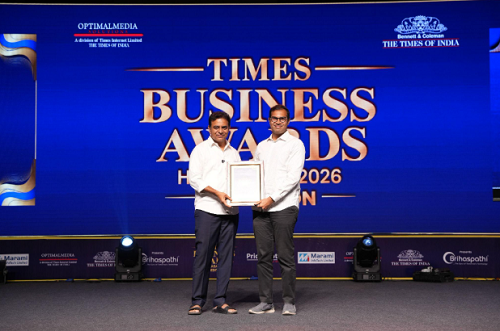
Top Residential Real Estate Developer in Hyderabad: ASBL Recognised at Times Business Awards Hyderabad 2026

ASBL has been recognised as the Top Residential Real Estate Developer in Hyderabad at the Times Business Awards Hyderabad 2026. The recognition reflects the company’s approach to building homes around the people who will live in them, while staying involved with customers through every stage of their journey, from the first design decision to life after handover.


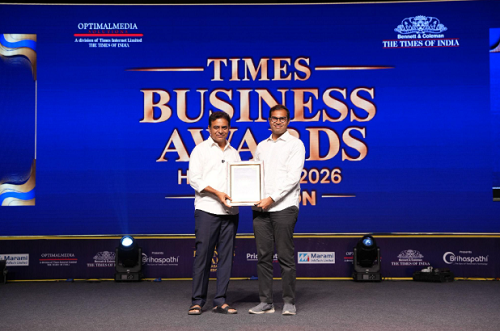
Ajitesh Korupolu, CEO and founder, ASBL with KT Rama Rao at Times Business Awards


For ASBL, the job of a developer is not limited to building and selling homes. It starts much before construction, by understanding what customers need from their homes and communities. Once a customer chooses an ASBL home, the focus is on making the buying journey simple, clear and reliable. The relationship does not end when the keys are handed over. ASBL continues to stay connected with its customers and support them as they settle into their homes.


This approach is also a key part of the ASBL ecosystem. The company believes that trust is built through every interaction, not through one promise. By staying close to its customers, ASBL understands how people use their homes, amenities and shared spaces after they move in. What works well, what can be improved and how people actually live in these communities all become important inputs for the next project.


This creates a continuous feedback loop between the people living in ASBL communities and the teams building them. Customer experiences after handover help the company make better decisions in future projects, from planning and design to amenities and community spaces. In this way, every completed community becomes a source of learning for the next one.


This approach continues to shape ASBL’s new project, ASBL Legacy, launched at RTC X Roads in Central Hyderabad. The project was planned around an insight into the neighbourhood: many people have strong ties to Central Hyderabad and want to continue living here, but also seek the lifestyle and amenities of a fully gated community, an option that has largely been absent in the area. ASBL Legacy aims to bridge this gap as the only fully gated community in the RTC X Roads neighbourhood and the tallest project in the area, with three towers rising up to G+50 floors. Spread across approximately 7.97 acres, the development will feature 73.25% open space, a 74,000 sq. ft. clubhouse and more than 50 amenities. Located just two minutes from RTC X Roads Metro Station, the project brings together the advantages of an established central location with the experience of a planned gated community.


The recognition at the Times Business Awards Hyderabad 2026 is a reflection of this way of working. For ASBL, every home that is built adds to a larger understanding of what people in Hyderabad want from the places they call home. That understanding will continue to shape how the company designs, builds and improves its communities in the years ahead.