Home Blog Page 676

GT GAMES Launches Fast Tambola Jackpot: The Classic Family Game Goes Online with Big Wins

GT GAMES, the largest online tambola real money gaming platform, is gearing up to launch its most anticipated and lucrative game to date, The Jackpot. This exciting new feature is set to offer players not only entertainment but also the opportunity to win some of the biggest cash prizes in the platform’s history.

https://www.newsvoir.com/images/article/image1/30342_GT_GAMES_IMAGE.jpeg

Madhav Sharma, CEO & Co Founder GTGames

With The Jackpot, GT GAMES aims to elevate the traditional tambola experience by offering bigger payouts, more winners, and an enhanced gaming experience. Players can expect massive cash prizes, with winnings that could potentially be life-changing. Whether aiming for a full house or a special line prize, The Jackpot promises to multiply player rewards and take the tambola to a whole new level.

For those unfamiliar with GT GAMES, the platform has earned a reputation as the go-to destination for online tambola (also known as Housie), a game that has captivated players across India. The platform offers users the thrill of winning real money while enjoying tambola, making it a popular choice for those seeking fun, excitement, and rewarding cash prizes.

However, GT GAMES is not just about winning money; it is also about bringing people together. Tambola has long been a favorite at get-togethers, parties, and community events, and GT GAMES has successfully translated this tradition into the digital world. The platform allows families and friends to bond over a shared game, adding a dash of friendly competition to virtual gatherings. GT GAMES tambola offers the perfect mix of social interaction and entertainment, whether for casual play or special occasions.

Madhav Sharma, Founder of GT GAMES, expressed his excitement about the upcoming launch, “At GT GAMES, we’ve been working tirelessly to deliver the best and biggest fast tambola gaming experience in India. With The Jackpot, we’re offering our users not just a game, but the opportunity to win life-changing amounts of real money. Our goal is to revive the traditional tambola mindset and bring that sense of community and excitement into the digital age. We want GT GAMES to be the ultimate tambola destination for people across India.”

With The Jackpot set to launch soon, GT GAMES is poised to revolutionize the online tambola gaming landscape. The platform will not only provide users with a chance to win big but also offer a way to connect, socialize, and have fun, whether at home or during events. Tambola fans should prepare for an exhilarating experience, as GT GAMES is about to redefine how people play and win.

Sustainability, Inclusivity, and Innovation Lead India’s Technology Growth Story: Insights from Deloitte’s TechFast50

  • New categories such as Sustainability Tech, EdTech, InsurTech, and Credit Tech reflect the evolving priorities of India’s dynamic technology ecosystem.

  • This year’s winning trend shows Delhi NCR leading with 16 winners, followed 12 from Bengaluru and 5 from Mumbai

  • Two winners from tier-two and tier-three cities highlight India’s expanding tech footprint across Bharat.

Deloitte India announced the winners of the 19th edition of Technology Fast 50 India Awards, recognising the nation’s fastest-growing tech companies of 2024. This year’s awards spotlight the dynamic growth of startups across sectors such as artificial intelligence (AI), clean energy, healthcare, supply chain, and education.

Winners of the 19th edition of Deloitte’s Technology Fast 50 India Awards

Delhi NCR led the rankings with 16 winners, followed by Bangalore and Mumbai. Notably, 2 winners from tier two and tier three cities underscore the growing innovation footprint beyond metro areas. Some of the new categories such as Sustainability Tech, EdTech, InsurTech, and Credit Tech reflect the evolving priorities of India’s technology ecosystem.

Top performers: The “Fast Five“

Garuda Aerospace Pvt Ltd, Redcliffe Lifetech Pvt Ltd, FarMart Services Pvt Ltd, Capgrid Solutions Pvt Ltd, and Upgrid Solutions Pvt Ltd (Batterysmart), topped the ranking with contributions to drone services, healthcare innovation, supply chain management, precision manufacturing, and clean mobility.

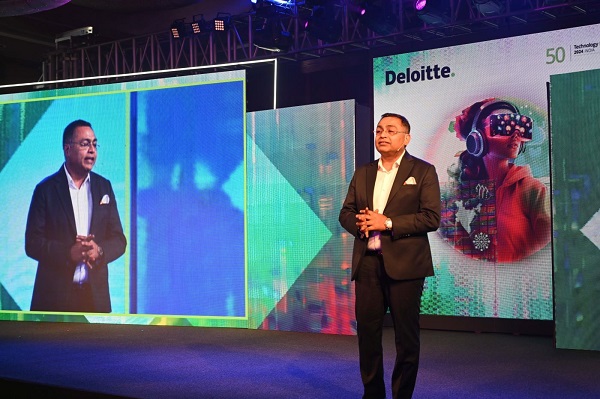
Speaking at the awards, Peeyush Vaish, Partner and TMT Industry Leader, Deloitte India, highlighted the remarkable adaptability and innovation this year’s TechFast50 winners demonstrated. He noted that these companies are not merely navigating a fast-changing digital environment but actively shaping it. From harnessing the power of AI to pioneering advancements in sustainability technologies, these trailblazers exemplify the transformative potential of India’s tech ecosystem.

“India’s technology sector is at a defining moment, driven by policies promoting innovation, increasing digital inclusivity, and rising global recognition. The TechFast50 winners lead this change, setting new benchmarks for agility, scalability, and impact. By honouring their success, we celebrate a dynamic ecosystem of entrepreneurs and innovators, fostering a culture of innovation that drives co-creation and collaboration-efforts that propel India towards global tech leadership,” he added.

Peeyush Vaish, Partner and TMT Industry Leader, Deloitte India addressing the gathering

This year’s awards highlighted several emerging trends shaping the tech industry. A notable increase in sustainability-focused innovations led to the introduction of the “Sustainability Tech” category, recognising companies contributions to the electric vehicle ecosystem. The influence of AI was evident in the “Data and AI” category, with companies developing generative AI tools to modernise enterprises. Additionally, a rise in tech-driven solutions for legacy insurance processes led to the creation of the “InsurTech” category.

Various senior industry leaders graced the event, and the chief guest was Milesh J, Head of Strategy & Operations at SAP Labs India Pvt Ltd. There was an exclusive masterclass session for the TF50 winners, where a distinguished jury offered insights on IPO strategies, governance, funding, and ESG. The jury included prominent figures such as Nishant Rao, Founding Partner at Avataar Ventures; Romit Mehta, Vice President at Lightspeed Venture Partners; Justin Paul, Head of Innovation Office at SAP Labs; and Siddarth Pai, Founding Partner at 3One4 Capital.

For details of this year’s Top 50 rankings companies at TF50, click here.

Key highlights from Deloitte’s TechFast50 awards:

  • Between 2005 and 2022, several notable companies that won the TF50 award went public, such as RateGain IT and Zomato.

  • Seven companies reached Unicorn status: Zomato, RazorPay, Rupeek, Moglix, Pepper Content, Cashfree Payments, and The MathCompany.

  • Dynamic evaluation: A distinguished jury assessed companies using a balanced approach that considered revenue growth alongside innovation, sustainability, and market impact.

  • Empowering diversity: The “SheXO in Tech” category highlighted technologys role in empowering women and fostering inclusivity.

Notes to the editor for reference purposes only

This press release has been issued by Deloitte Touche Tohmatsu India LLP.

Deloitte refers to one or more of Deloitte Touche Tohmatsu Limited, a UK private company limited by guarantee (“DTTL”), its network of member firms, and their related entities. DTTL and each of its member firms are legally separate and independent entities. DTTL (also referred to as “Deloitte Global”) does not provide services to clients. Please see www.deloitte.com/about for a more detailed description of DTTL and its member firms.

Vinita Bali Inspires Ahmedabad University’s Class of 2024 to Lead with Purpose and Global Perspective

Ahmedabad University has built an innovative academic ecosystem, redefining the ways of learning through research-driven thinking, hands-on experiences, and interdisciplinary exploration. The University has reimagined the classroom experience to equip students to tackle complex global challenges that lie at the intersection of diverse disciplines – a foundation that not only shapes the future of education but also drives societal progress.

Chancellor Sanjay Lalbhai, Former MD of Britannia Industries Vinita Bali, and Vice Chancellor Professor Pankaj Chandra (left to right) lead the way to 14th Annual Convocation

The University has rapidly emerged as a high-quality multidisciplinary institution, renowned for its transformative impact on the lives of young people evidenced in the outstanding outcomes achieved by the graduating class of 2024.

830 students received degrees, including 659 undergraduates, 164 masters, and seven doctoral students. The University honoured six students with gold medals for their outstanding achievements

The 14th Annual Convocation celebrated the remarkable achievements of its students, showcasing their groundbreaking research and real-world impact. These achievements include developing strategies for decarbonisation using material efficiency and circular economy principles; analysing canal irrigation systems to propose equitable solutions for water distribution among farmers; and innovating nanoparticle-based immunoliposome delivery systems for targeted chemotherapy and microRNA therapy to treat breast cancer, to name a few.

In addition to their research accomplishments, the class of 2024 demonstrated the benefits of a liberal education, securing admissions to prestigious global institutions, obtaining roles with progressive Indian companies, and venturing into the dynamic world of startups.

The 14th Annual Convocation, held on December 10, 2024, marked the success of 830 such students embarking on their next journeys after earning their degrees. Among them were 494 students from the Amrut Mody School of Management, 162 from the School of Arts and Sciences, and 174 from the School of Engineering and Applied Science. The University also conferred doctoral degrees to seven graduates for their groundbreaking contributions to research. Additionally, the top students of the Class of 2024 were honoured with gold medals for their exceptional performance.

Vinita Bali, former Managing Director of Britannia Industries and a globally acclaimed leader in business and sustainability, delivered the convocation address that embodied Ahmedabad Universitys commitment to inspiring students to apply their learning in service to the community. Drawing from her extensive experience across sectors and geographies, Ms Bali emphasised the need to make the right choice. “In your everyday life, you will face choices and dilemmas, both big and small. Maintain your integrity, sense of ethics, and values, and strive to do what is right-not just for ourselves but also for our planet and community. The planet is crying out to people like us for help because when all the trees are cut, the waters are polluted, the animals are gone, and the air is no longer fit to breathe, we will realize that we cannot eat money.“

Emphasising the responsibility of industrialists, she added, “Today in the corporate world, we talk about concepts like CSR and ESG. But past industrialists had already embraced these values long before such terms existed. For instance, Ahmedabad University is the vision of an industrialist-your Chancellors grandfather, Kasturbhai Lalbhai. Similarly, consider what Jamshedji Tata did in Jamshedpur long before CSR and ESG were coined. He believed that in business, the community is not just another stakeholder; it is the very purpose of our existence. This is the responsibility that those people have bestowed on us. And this is our responsibility.“

Presiding over the ceremony, Chancellor Sanjay Lalbhai reflected on the vision of Ahmedabad University: to build an institution that positions India once again as a leading light in the creation and dissemination of knowledge. He remarked, “We recall the time when ancient universities like Nalanda and Takshashila were the foremost institutions of research and learning, recognised worldwide. We aspire for Ahmedabad University to shine just as brightly and add many more disciplines to make it a holistic and be acclaimed as an excellent centre of learning with many more disciplines to make it a holistic and complete center of education. Graduating students, your continued support for the University will play a pivotal role in shaping the future of Ahmedabad University.“

Vice Chancellor and Chairman of the Board of Management, Professor Pankaj Chandra, in his address, inspired graduates to use their education to make meaningful contributions to society with five key messages. “To the graduating class – as you step out of the University today, let me say five things: One: Question everything around you and make your education count. Two: Be grateful. Three: Dont stop learning today. Continue to invest in your learning and your experiences. It will be the new learning that will keep you moving forward purposefully. Four: Fulfil the public good promise of education – to become a better citizen with a strong civic sense and a caring eye. And, Five, always remember that your journey going forward is going to be unique to you. Each of your paths will unfold differently and at different times from others, so flourish within your uniqueness in this world,” said Professor Chandra.

The valedictorian, Aditya Gupta (BBA Hons, Class of 2024), reflected on the unique journey of the Class of 2024, which began in the midst of the pandemic. As the first cohort to transition from online classrooms to exploring the University’s vibrant campus, Aditya recounted how the challenges of the pandemic brought his peers closer, creating cherished memories in every corner of the campus. Highlighting how Ahmedabad University became more than just a learning platform – a community of people who made difficult times easier – he concluded with an empowering message: “We have the power to lead, to inspire, and to make a difference.”

The 14th Annual Convocation was attended by the University’s Governing Body and Board of Management members, faculty, alumni, students, staff, and all the proud families, friends, and loved ones of the graduates who have helped their graduates succeed.

About Ahmedabad University

Ahmedabad University is a leading private, non-profit research university offering students a liberal education focused on interdisciplinary learning, practice orientation, and research thinking.

The University has been

  • Recognised by the Government of Gujarat as a Centre of Excellence.

  • Accredited with A grade by the National Assessment and Accreditation Council (NAAC).

  • Awarded a 5-star rating, the highest awarded in the Gujarat State Institutional Rating Framework (GSIRF) for 2021-22, by the Knowledge Consortium of Gujarat (KCG), Department of Education, Government of Gujarat.

  • Awarded the Royal Institute of British Architects (RIBA) International Award for Excellence 2024 for our University Centre.

  • Awarded a Platinum Rating by the Indian Green Building Council for sustainability and green practices.

  • Recognised by the UGC under Section 12(B) of the UGC Act, becoming one of the very few private research universities to have been awarded this recognition for select research universities.

  • Recognised as a Highly Commended University for Teaching and Learning Strategy of the Year in the Times Higher Education (THE) Awards Asia 2023.

  • Awarded the AACSB’s Innovations That Inspire Award 2023 for its Foundation Programme.

  • Awarded Gold Rating by the Indian Green Building Council for achieving the Green Building Standards at our University Centre.

The University, established in 2009, is rooted in the vision of one of India’s finest educational foundations, the Ahmedabad Education Society, which was founded in 1935 by nationalist leaders. Programmes at the University range from bachelors to doctoral levels in humanities and social sciences, natural sciences, engineering, and management through its 13 Schools and Centres:

Amrut Mody School of Management | Bagchi School of Public Health | School of Arts and Sciences | School of Engineering and Applied Science | Ahmedabad Design Lab | Centre for Heritage Management | Centre for Inter-Asian Research | Centre for Learning Futures | Global Centre for Environment and Energy | International Centre for Space and Cosmology | Sahyog: Centre for Promoting Health | The Climate Institute | VentureStudio

An urban university, Ahmedabad promotes independent-mindedness and diversity across all dimensions of its activity and helps students mature into critical thinkers who are analytically equipped, practically oriented, and contextually aware global citizens. The University provides a contemporary educational framework that brings liberal arts, sciences, and the professions to engage together in creating new knowledge for addressing complex challenges of the society and in offering majors that merge the boundaries of disciplines to prepare students for the new economy.

New Study Highlights the Threats of Illegal Ritualistic Hunts in West Bengal

A new study highlights the grave impacts of illegal ritualistic hunts in West Bengal, India, where thousands of hunters gather during cultural or religious festivals to kill wildlife using traditional weapons such as bows, catapults, and spears. The research involved socio-economic questionnaires carried out with 99 hunters from hot spot areas and reveals that these large-scale social events impact more than 90 different species, including some already at risk of extinction, while posing significant challenges for animal welfare.

https://www.newsvoir.com/images/article/image1/30512_WAP_image.jpeg

Animals killed in ritualistic hunt Photograph HEAL

The hunts, which are conservatively estimated to result in the deaths of 5,000 animals annually, target species ranging from wild boars and Bengal monitors to jungle cats, Indian flying foxes and greater coucals. Among these, seven species are listed as globally threatened on the IUCN Red List, including the Critically Endangered elongated tortoise and long-billed vulture. Additionally, 25 species fall under Schedule I of India’s Wildlife Protection Act, making their killing illegal under all circumstances.

The study also explored the motivations driving hunters. Wild meat consumption remains central to these events, often as part of celebratory feasts. However, some species, such as Bengal monitors, are also hunted for their skin, bones, and fat for use in traditional medicine or decorative items. Economic trade in wildlife derivatives was reported by a smaller proportion of hunters. Notably, personal enjoyment, rather than economic gain or subsistence use, emerged as the primary motivation for participating in the hunts.

Despite the scale of the issue, the study underscores opportunities for change. The authors call for strengthening law enforcement alongside targeted awareness campaigns to help communities transition toward sustainable practices, ensuring the preservation of both cultural traditions and West Bengal’s unique wildlife. Additionally, they recommend involving local stakeholders in the development of wildlife-friendly initiatives, offering a practical pathway to protect biodiversity while fostering community pride.

Dr Neil D’Cruze, lead author and Head of Wildlife Research at World Animal Protection, said, “Every year these large ritualistic hunts are a devastating blow for both local biodiversity and animal welfare. They typically involve thousands of hunters, leading to the estimated indiscriminate killing of at least 5,000 wild animals annually. Among the species most at risk are the Critically Endangered elongated tortoise, slender-billed vulture, and long-billed vulture, whose populations are already in steep decline. Beyond the staggering loss of threatened species, the methods used-such as spears, catapults, and bows-inflict immense suffering on animals, many of whom are left to die slow, painful deaths. The scale of animal suffering and its impact on ecosystems cannot be overstated.”

Shubhobroto Ghosh, Co-author of the study and Wildlife Projects Manager at World Animal Protection India, said, “While ritualistic hunting may have deep cultural roots, it is illegal under Indian law. The Wildlife Protection Act, 1972, strictly bans hunting of Schedule I species, including the Critically Endangered long-billed vulture and elongated tortoise, granting them the highest protection. Our study, however, offers hope: these hunts are largely motivated by personal enjoyment rather than subsistence. Encouragingly, most hunters expressed interest in legal alternatives like wildlife-friendly tourism or nature-based festivals, which could sustain cultural traditions while safeguarding wildlife and instilling pride in the region’s rich biodiversity.”

Gajender Sharma, Director of World Animal Protection India, said, “This study is not just about documenting a problem but finding solutions. The success of community-led conservation initiatives, such as the Khonoma Nature Conservation Sanctuary in Nagaland, shows what’s possible when people and wildlife thrive together. By offering wildlife friendly alternatives like wildlife photography, birdwatching, and eco-tourism, we can address hunters’ motivations for enjoyment while creating new opportunities. With combined efforts in law enforcement and community engagement, a positive transformation for both wildlife and people in West Bengal is achievable.”

Notes to Editors

For further information
Shubhobroto Ghosh, Wildlife Research Manager, World Animal Protection
Email: shubhobrotoghosh@worldanimalprotection.org.in
+91 (0) 9953 965 242

Bev Boyle, Head of Media, World Animal Protection
Email: Bevboyle@worldanimalprotection.org
+44 (0) 7968 415 856

Source
D’Cruze N, Elwin A, Ghosh S, Asfaw AE, Coulthard E, Megson D, Norrey J, Giri S, Mishra V, Adhya T, Chatterjee S, Banerjee M, Banerjee A, Harrington L (2024) Ritualistic hunts: exploring the motivations and conservation implications in West Bengal, India. Nature Conservation 56: 243-273.

Link to Open Access paper www.natureconservation.56.132178

Seven impacted species are categorised on the IUCN Red List as threatened:

  • Critically Endangered elongated tortoise

  • Critically Endangered long billed vulture

  • Critically Endangered slender billed vulture

  • Vulnerable common pochard

  • Vulnerable swamp francolin

  • Vulnerable pale capped pigeon

This research represents a collaboration between researchers affiliated with World Animal Protection, the Human and Environment Alliance League (HEAL), Manchester Metropolitan University (MMU), and the University of Oxford, Wildlife Conservation Research Unit (WildCRU).

About World Animal Protection
World Animal Protection is the global voice for animal welfare, with more than 70 years of experience campaigning for a world where animals live free from cruelty and suffering. We have offices in 12 countries and work in 47 countries. We collaborate with local communities, the private sector, civil society, and governments to improve the lives of animals. Our goal is to change the way the world works to end animal cruelty and the suffering of wild and farmed animals. Through our global food system strategy, we will end factory farming and create a humane and sustainable food system that puts animals first. By transforming the failed systems that fuel exploitation and commodification, we will give wild animals the right to a wild life. Our work to protect animals will play a vital role in solving the climate emergency, the public health crisis, and the devastation of natural habitats.

About Human and Environment Alliance League
Indias vast ecological richness and diverse life forms are confronting a myriad of challenges. Wildlife faces unprecedented exploitation and is declining rapidly. Life-sustaining ecosystems are losing their integrity due to short-sighted policies driven by an insatiable desire for commercial profits. To address these critical conservation challenges, a group of passionate young individuals from Kolkata, came together and formed HEAL in 2017. Conservation problems are seldom straightforward, and HEALs approach to solving them is anything but ordinary. Embracing a multipronged strategy, we craft interventions that encompass scientific research, communities engagement through transformative programs, wildlife, and environmental crime investigations, liaising with enforcement authorities and policymakers, and filing of Public Interest Litigations in pursuit of environmental justice. We believe not only in enforcing laws but also in shaping policies that ensure a sustainable balance between human activities and the preservation of our unique ecosystems.

About Manchester Metropolitan University
Manchester Metropolitan University has a driving ambition to discover and disseminate knowledge, to make higher education accessible and beneficial to all those with the passion and ability to succeed.

About Wildlife Conservation Research Unit
A University of Oxford first, founded in 1986, WildCRU was the first university-based conservation research unit in Europe. Today we are recognised as a world leader in our field.

Photos
Photos to accompany the release are available at this link.

Driving Success: The Impact of Partnerships on India’s E-commerce Logistics Landscape

The e-commerce industry in India is undergoing a paradigm shift, fueled by technological innovation, a burgeoning digital economy, and an increasingly connected population. Projected to reach an impressive $325 billion by 2030 (Source: Deloitte), this dynamic market is reshaping consumer behavior and business strategies alike. The rise of e-commerce is not merely a retail revolution; it is a testament to Indias digital transformation, driven by widespread smartphone penetration, affordable internet access, and government initiatives promoting digital inclusion. As e-commerce accelerates, the logistics and technology ecosystems have emerged as critical enablers, ensuring seamless, reliable, and efficient delivery experiences that form the backbone of this burgeoning sector.

At the heart of this transformation are logistics solutions revolutionizing the e-commerce ecosystem, with FarEye leading the charge. As a global pioneer in last-mile technology, FarEye recently celebrated a decade-long partnership with Blue Dart, a trailblazer in express logistics. Together, this collaboration has achieved significant advancements in delivery efficiency and set new benchmarks for customer satisfaction by delivering superior, tech-enabled experiences tailored to the dynamic needs of the e-commerce sector.

On the strategic partnerships, Balfour Manuel, Managing Director, Blue Dart, stated, “Our commitment to delivering exceptional service and customer satisfaction has been instrumental in establishing our leadership position in Indias e-commerce sector. By leveraging advanced technology and strategic partnerships, were empowering businesses to thrive in this dynamic market.”

Gautam Kumar, COO and Co-founder of FarEye, added, “Over the last decade, we’ve worked closely with Blue Dart to continuously enhance delivery operations through real-time tracking, route optimization, and AI-driven efficiencies. Our joint efforts have not only improved delivery accuracy but also elevated the customer experience, driving growth and sustainability in the logistics industry.”

On transforming express logistics, Vikram Mansukhani, Chief of Operations, Blue Dart, said, “Technology is revolutionizing express logistics operations, enabling us to redefine last-mile delivery with unmatched precision, efficiency, and reliability. By harnessing cutting-edge tools and innovations, we’re not just meeting the growing demands of e-commerce but setting new benchmarks in operational excellence and customer satisfaction.”

As Indias e-commerce landscape continues to evolve, Blue Dart, powered by strategic partnerships with technology leaders like FarEye, is well-positioned to lead the way in delivering seamless, efficient, and sustainable logistics solutions.

About FarEye
FarEye is a leading provider of last-mile technology solutions, enabling businesses to deliver exceptional customer experiences while improving efficiency and sustainability. FarEye’s AI-powered platform helps companies optimize their delivery operations with real-time visibility, intelligent route orchestration, and personalized customer experiences. Trusted by over 150 customers across 30 countries, FarEye is on a mission to ensure every delivery reaches its destination on time, accurately, and sustainably.

FarEye. First Choice for Last Mile.

PayU and AWS Unveil InFINity 2.0 – India’s Premier Fintech Accelerator

  • PayU commits to investing up to $5M into every startup that qualifies its investment criteria

  • Applications open until Feb 15th ’25; Targets startups seeking seed to Series A funding

  • Gain access to AWS Activate Credits and up to $100K PayU Startup Program credits & discounts

  • 12-Week Hybrid Program – packed with practical insights from industry stalwarts

  • Programme provides a platform for exclusive mentoring and knowledge sessions and potential fundraising support from Prosus and other investors.

PayU, Indias leading digital financial services providers, and Amazon Web Services (AWS), the worlds most comprehensive and widely adopted cloud platform have launched InFINity 2.0, an accelerator program geared to help early-stage Indian fintech startups scale and succeed. The program targets startups that have raised less than $10 million and are seeking seed to Series A funding. Applications open on December 12, 2024, and close on February 15, 2025, with the selected cohort set to be announced on February 21, 2025.

PayU & AWS launch InFINity 2.0-India’s premier fintech accelerator! Upto $5M per startup, 12-week hybrid program, $100K+ credits & more! Applications close Feb 15, 2025

Building on the success of its first edition-which featured hundreds of applicants and a final cohort of 30 startups, culminating in a $5 million seed investment in cross-border payments platform BRISKPE-InFINity 2.0 offers a comprehensive 12-week hybrid accelerator program starting March 2025 featuring a 3-day in-person boot camp in Bengaluru, followed by virtual office hours, culminating in a Demo Day in the last week of May 2025. PayU has committed up to $5MM in strategic investments for each company that qualifies its investment criteria.

Key Highlights of InFINity 2.0

  • Tailored Masterclasses: Led by experts from the banking, financial services, and fintech sectors.

  • Extensive Distribution Opportunities: Access to PayUs extensive merchant, bank, and consumer networks.

  • Lifetime Community Access: Engage with leaders across PayU and AWS.

  • Fundraising Support: Potential investment avenues from Prosus and other investors.

Participants will also benefit from exclusive sessions on Artificial Intelligence (AI), business and growth strategies delivered by a reputed mentor panel featuring seasoned experts from PayU, Prosus and AWS along with successful entrepreneurs, domain experts and banking partners. Additionally, the selected cohort will receive AWS Activate credits and $100,000 in PayU Startup Program credits and exclusive discounts to support their growth.

Announcing the launch of inFINinty 2.0, Anirban Mukherjee, CEO – PayU, said, “InFINity 2.0 reflects our commitment to fostering innovation and nurturing the fintech ecosystem for early-stage startups in India. Having backed impactful fintech startups like Fisdom, IndiaGold, and Vayana, we continue to double down on the India’s fintech ecosystem. By leveraging PayUs operational expertise alongside Prosus’ extensive investment expertise and AWSs leading cloud solutions, we aim to empower the country’s fintech entrepreneurs to accelerate their businesses and develop innovative solutions that address the dynamic financial needs of Indians.”

For more information, visit www.infinitynow.tech

About PayU
PayU, one of Indias leading digital financial services providers operates businesses that are regulated by the Reserve Bank of India and offers advanced solutions to meet the digital payment requirements of the Indian market. PayU India companies aim to create a full-stack digital financial services platform to serve all (tapped and untapped) financial needs of customers through technology solutions. PayU provide payment gateway solutions to online businesses through its cutting-edge and award-winning technology and has empowered 5 lakhs+ businesses, including India’s leading enterprises, e-commerce giants and SMBs. It enables businesses to collect digital payments across 150+ online payment methods such as Credit Cards, Debit Cards, Net Banking, EMIs, pay-later, QR, UPI, Wallets, and more. It’s a preferred partner in the affordability ecosystem, offering the maximum coverage of issuers and easy-to-implement integrations across card-based EMIs, pay-later options and new-age cardless EMIs. PayU offers e-commerce brands best-in-industry success rates while ensuring a seamless checkout experience.

Navanc Raises Seed Funding to Revolutionize Secured Lending with AI-powered Property Score

  • Navanc, India’s first AI-powered property score and stack for secured lending and insurance, integrates advanced AI, IoT, and Blockchain for secure transactions.

  • The funds will support expansion across Tier 1-4 cities and enhance its AI capabilities with Generative AI and Computer Vision models.

  • So far, Inflection Point Ventures has invested over INR 790 Cr across 210+ startups.

Navanc, a pioneering FinTech startup building India’s first AI-powered property score and stack for secured lending and insurance practices, has successfully raised USD 1 million in a seed funding round. The round was led by Prarambh Ventures, with participation from Inflection Point Ventures (IPV), Brigade REAP FirstPort Capital, and marquee angel investors

https://www.newsvoir.com/images/article/image1/30491_Navanc.jpg

(L) Byom Kesh Jha, CT&DO, (R) Nagachethan S M, CEO; Co-founders, Navanc

The funds will be directed toward expanding operations across India, with a focus on strengthening Navancs presence in urban and semi-urban areas. Additionally, the startup will bolster its AI FinTech capabilities by incorporating Generative AI and Computer Vision models to further its vision of becoming India’s first Property Credit Score and Stack provider.

Navanc was founded by Nagachethan S M, CEO, and Byom Kesh Jha, CT&DO, in 2021. With a strong background in technology and finance, Nagachethan leads Navanc’s vision and strategy, driving innovation in the BFSI segment. A seasoned data science professional, Byom oversees Navanc’s Technology and Data Science, ensuring seamless execution of its AI and Tech goals.

Mr Mitesh Shah, Co-Founder, Inflection Point Ventures, says, “Banks, NBFCs, HFCs all face the same challenges in mortgage and property assessment: inconsistent and time-consuming property valuations, lacking both transparency and data to build trust. By providing precise & scalable property valuation, transparency and reliability, Navanc helps every player in the industry make informed decisions based on real-time assessment, data and knowledge of legal and technical aspects. Thus reducing risks for both lenders and buyers. As investors, we are confident in Navanc’s potential to make property valuation efficient, trustworthy and data-driven.”

Mr Sreenivas Ramarao, from Prarambh Venture opines, “We believe Navanc is the pioneer in delivering AI and Digital services in making the real estate transactions faster, cheaper, reliable and more accurate. We also have great confidence in the team and are fully confident of their ability to deliver user friendly products in the space.”

“Brigade REAP has played a key role in refining and accelerating growth for Navanc, who have shown immense potential in revolutionizing property assessment through their innovative solutions. Navancs strengths lie in its ability to streamline financial access for properties by integrating AI, IoT and Blockchain for secure, transparent transactions, making it a transformative player in the PropTech sector. Our association with Navanc is testament to our commitment to fostering innovation in the PropTech sector,” commented Abhay Garg, the Head of Brigade REAP.

Navanc stands out as India’s first FinTech startup to introduce an AI-powered property score and stack, specifically designed for secured lending and insurance practices. Its comprehensive collateral assessment, powered by cutting-edge AI and ML models, significantly enhances credit decision-making and portfolio management for the BFSI industry.

Nagachethan S M, CEO, Navanc, says, “We’re grateful for the support of our investors and excited to further our mission of revolutionizing secured lending and insurance practices in India. Our AI-powered solutions are set to make property transactions faster, more transparent, and accessible to all.”

Currently operating across Tiers of cities in about 6 states, Navanc is focused on expanding its reach to all states under its Bharat Vision. This strategic move aims to foster financial inclusion across India, transforming property lending and insurance practices nationwide.

Since its inception in 2021, Navanc has developed a cutting-edge data driven technology stack that streamlines secured lending, insurance, and property management practices in the BFSI sector. Its innovative solutions significantly reduce turnaround time, enhance transparency, and facilitate improved credit decision-making and portfolio management. The Indian property lending market is poised for exponential growth, with a rapidly increasing demand for digital and AI-enabled solutions to facilitate secured transactions.

About Navanc
Navanc, founded in 2021 by Nagachethan S M and Byom Kesh Jha, is a FinTech innovator developing AI-driven solutions for secured lending and property assessment in the BFSI sector. With a focus on building India’s first property credit score and AI stack, Navanc is transforming the way financial institutions assess and manage collateral.

Foundation for MSME Clusters Hosts International Conference on “Just Transition to Net Zero – Role of Bamboo in the SAARC Region”

The Foundation for MSME Clusters (FMC) is proud to host an international conference titled “Just Transition to Net Zero – Role of Bamboo in the SAARC Region” on December 17th, 2024, at Deventure Sarovar Portico, Kapas Hera, New Delhi. This event is part of the project “Promoting Integrated Bamboo-Based Enterprise Development among SAARC Countries,” implemented since 2017 with support from the SAARC Development Fund. Spanning Afghanistan, Bangladesh, Bhutan, India, and Nepal, this initiative is led by partners including Women’s Economic Empowerment Rural Development Program (Afghanistan), BRIF (Bangladesh), Tarayana (Bhutan), FMC (India), and ABARI (Nepal), with FMC also serving as the technical advisor.

The conference will bring together policymakers, industry leaders, financial institutions, and civil society representatives to collaborate on leveraging bamboo as a tool for sustainable development in the SAARC region. Shri Shivraj Singh Chouhan, Hon’ble Minister of Agriculture & Farmers’ Welfare, Government of India, has been invited as the Chief Guest. Distinguished guests include Shri Pasha Patel, Chairman, State Agricultural Price Commission, Maharashtra, as the Guest of Honor; and Shri Ajay Shankar, Chairman, Foundation for MSME Clusters, who will also share his invaluable expertise during the sessions.

A key highlight of the event will be the case presentations by SDF Project Partners from Bhutan, Nepal, and Bangladesh, showcasing their learnings and exploring future pathways. Additionally, three thought-provoking panel discussions will delve into the role of industries, financial institutions, and civil society in advancing the bamboo sector. Moderated by distinguished journalists and experts, these panels will feature industry stalwarts such as Dalmia Cement, Nayara Energy, and Hindalco Industries; representatives from NABARD, SIDBI, and HDFC CSR; and policy and research experts from the National Bamboo Mission and Forest Research Institute.

This conference offers participants an exceptional opportunity to share and showcase their commitment to sustainable practices, explore new avenues for bamboo sector development, and contribute to crafting a regional strategy for achieving net zero goals through bamboo-based innovations. Bringing together CSR heads, researchers, buyers, and artisans, the event aims to create a collaborative roadmap for sustainable development in the SAARC region.

For information about FMC, please visit www.fmc.org.in.

The Art of Living Pioneers Revolutionary Wastewater Treatment with Nature

At The Art of Living International Ashram in Bengaluru, a transformative initiative is redefining how humanity addresses wastewater treatment. Inspired by the vision of world renowned humanitarian and spiritual leader Gurudev Sri Sri Ravi Shankar, the JalShudhi plant exemplifies his philosophy of harmonising with nature to create sustainable solutions. This advanced, nature-based system demonstrates the power of ecological engineering, blending wisdom and innovation to treat a staggering 4,50,000 litres of wastewater daily. By integrating modern technology with natural processes, JalShudhi proves that sustainable practices not only protect the environment but also pave the way for revolutionary outcomes.

Natural purification at work: Art of Living Ashrams biofilters use plants and microorganisms to cleanse grey water without chemicals

Nature Meets Technology: The Magic of JalShudhi

Unlike traditional wastewater plants that rely heavily on complex machinery and chemical processes, JalShudhi takes a radically different approach. It harnesses the power of biological processes to purify water, replicating the way ecosystems naturally cleanse themselves. In a single operational shift, JalShudhi treats wastewater thoroughly – without generating harmful secondary sludge, a byproduct common to traditional systems that often requires complex disposal methods. The result is a cleaner, greener solution that pushes the boundaries of what’s possible in modern water treatment – it is as gentle on the environment as it is effective.

Step-by-step purification: Using biofiltration, the Art of Living Ashram transforms wastewater into clean water, nurturing its grounds

Transformative Benefits: Efficiency, Cost-Effectiveness, and Sustainability

One of the most impressive features of JalShudhi is its ability to conserve energy. With a drastically reduced energy consumption compared to traditional plants, the system saves up to 90% on energy costs. This sharp reduction not only lowers operational expenses but also minimises the plant’s environmental footprint.

Operating and maintaining the system is equally cost effective. The JalShudhi plant requires less than 20% of the annual maintenance cost compared to conventional methods. By producing treated water that can be reused, it also plays a pivotal role in preserving valuable freshwater resources – an urgent necessity in an age of increasing water scarcity.

Consistent and Resilient Performance

The JalShudhi system has been designed for reliability. Its flexible framework ensures that it operates efficiently even in the face of fluctuating wastewater volumes or interruptions, such as holiday periods that affect other systems. This resilience guarantees continuous, dependable wastewater treatment, making it an invaluable solution for both communities and businesses.

Tackling Pollution at Its Core

Pollution poses significant risks to both ecosystems and human health. With JalShudhi, The Art of LivingSocial Projects has made significant strides in combating this challenge. The treated water from the plant is safe to be reused or returned to natural water bodies, contributing to cleaner, healthier ecosystems. This nature-based system not only addresses immediate water purification needs but also supports long term environmental wellbeing.

Pioneering for a Sustainable Water Future

The JalShudhi plant is more than just a treatment facility – it is a forward-thinking model for sustainable water management. In a world where sustainability is no longer a choice but a necessity, JalShudhi sets a benchmark for how wastewater can be transformed from a problem into a resource. This isn’t just a story of water treatment – it’s a story of possibility, proving that when nature and innovation join forces, the results are nothing short of extraordinary.

JalShudhi at a glance

The Process:

  • Nature-Driven Engineering: Works as an ecosystem in collaboration with nature

  • Low Maintenance: High-impact with 90% reduced operational cost

  • Meets all the norms of KSPCB for discharge reuse

The Benefits

  • Ecosystem-Based Purification: A deep science of nature converted into a solution

  • Zero Secondary Sludge

  • Energy Efficient: Reduces carbon footprint

  • Cost-Effective

  • Water Resource Conservation

  • Reliable Performance: Nature based system is more robust compared to electro-mechanical systems

  • Pollution-Free

About The Art of Living Social Projects

The Art of Living Social Projects has resolved to create positive societal impact through transformative initiatives. With a focus on holistic development, the organisation strives to contribute to the welfare of individuals and communities alike. Recognising the deep interconnection between human health and environmental sustainability, The Art of Living Social Projects also places significant emphasis on environmental conservation. Through sustainable practices, afforestation projects, and ecological education, the organisation aims to protect and restore nature, ensuring that future generations inherit a thriving, balanced ecosystem alongside prosperous communities.

Follow: www.instagram.com/artofliving.sp

Post: x.com/artofliving_sp

Message: www.linkedin.com/showcase/artofliving-sp

LG Manoj Sinha Addresses Young Innovators at Grand Finale Smart India Hackathon 2024 at Galgotias University

In his keynote address, the Lieutenant Governor commended the pioneer initiative by Government of India, celebrating the spirit of innovation and collaboration, and providing a dynamic platform for brightest minds of the country to develop and showcase their creative solutions to real-world problems. “I see Smart India Hackathon as a powerful instrument to bridge the gap between educational institutions and industries,” the Lieutenant Governor said.

Chancellor Suneel Galgotia and Dr. Dhruv Galgotia present a memento to Shri Manoj Sinha, LG J&K

In the next 4 days during the Hackathon, participants from across the country will work on critical problem statements to develop successful innovation.

Highlighting the transformation in innovation landscape of the country in the past 10 years, under the leadership of Hon’ble Prime Minister Shri Narendra Modi, the Lieutenant Governor said, India has emerged as one of the global leaders in new inventions, which are seen as critical to the future well-being of society and to drive the nations economic growth.

On the occasion, the Lieutenant Governor called upon the youth to translate their ideas into socially useful and commercially viable applications and ensure that fruits of new inventions reach all sections.

“Your courage, dedication, talent and zeal to explore the unknown will give new impetus to the journey of Developed India,” the Lieutenant Governor told the Youth.

“We need cutting edge technologies to be the leading nation in technological inventions and at the same time we need environment-friendly innovations for sustainable development. To achieve the goal of Developed Nation by 2047, we need knowledge, capability and commitment of innovators, collaborations, support for new ideas, discoveries, marketing and commercialization of innovations,” the Lieutenant Governor said.

He said new innovations are touching the lives of common man in ways that we cannot even fully imagine today. Our focus should also be on innovations that would benefit society at large like water and energy conservation, waste management, precision agriculture and e-governance, he added. He also asked the young innovators to explore diverse areas in Agriculture sector pertaining to soil health, pest infestation, climate change, real time data etc.

The Lieutenant Governor emphasised that inclusive development and economic growth should be the main aim behind every innovation.

“Innovation should lead us to social change and drive Indias economic growth. Augmented Reality (AR) in Industry 4.0 technology should contribute to design, product development, maintenance and quality control in different sectors and help our manufacturers and find solutions to their operational problems and production downtime,” the Lieutenant Governor said.

He further highlighted that better system integration and smart factories will be the most dynamic aspect of Industry 4.0 involving physical equipment and digital tools and also it will be the best example of collaboration between human and technology.

“For Industry 4.0 Factories and to mitigate the social challenges of food, water, environment and energy, we need intelligent and integrated devices. All the core components of Industry 4.0 technologies, Internet of Things, Big Data, Augmented Reality, Cloud Computing, Artificial Intelligence, Advanced Robotics, additive manufacturing and Simulation will profoundly impact traditional area of space, atomic energy and defence technologies,” he said.

The Lieutenant Governor underscored the need to strengthen the partnership between academia, industry and policymakers to provide solutions to the challenges of society and the nation. He further asked the mentors and faculty members to encourage students to focus on “Problem First” and promote entrepreneurship ecosystem in the Universities’ campuses.

The Lieutenant Governor also emphasized the role of educational institutions in establishing India as a Knowledge economy and stressed on implementation of National Education Policy 2020 in letter and spirit.

Shri Ashok Bajpai, Member of Parliament, Rajya Sabha; Shri Suneel Galgotia, Chancellor, Galgotias University; Dr. K. Mallikharjuna Babu, Vice Chancellor, faculty members, students of the University, prominent citizens and young innovators from various regions were present.

Chancellor Shri Sunil Galgotia addressed the participants, noting that the Smart India Hackathon provides a unique platform for unlocking the creativity and innovation inherent in young minds. He announced 50 percent scholarship to the students from Jammu and Kashmir. Shri Suneel Galgotia emphasized that through such hackathons, students can actively contribute to the nation by finding solutions to pressing challenges.

CEO Dr. Dhruv Galgotia emphasizes the universitys dedication to contributing to the vision of a developed India. He remarked, “We are steadfastly advancing on the path of empowering society through education and fostering national progress through societal transformation.“